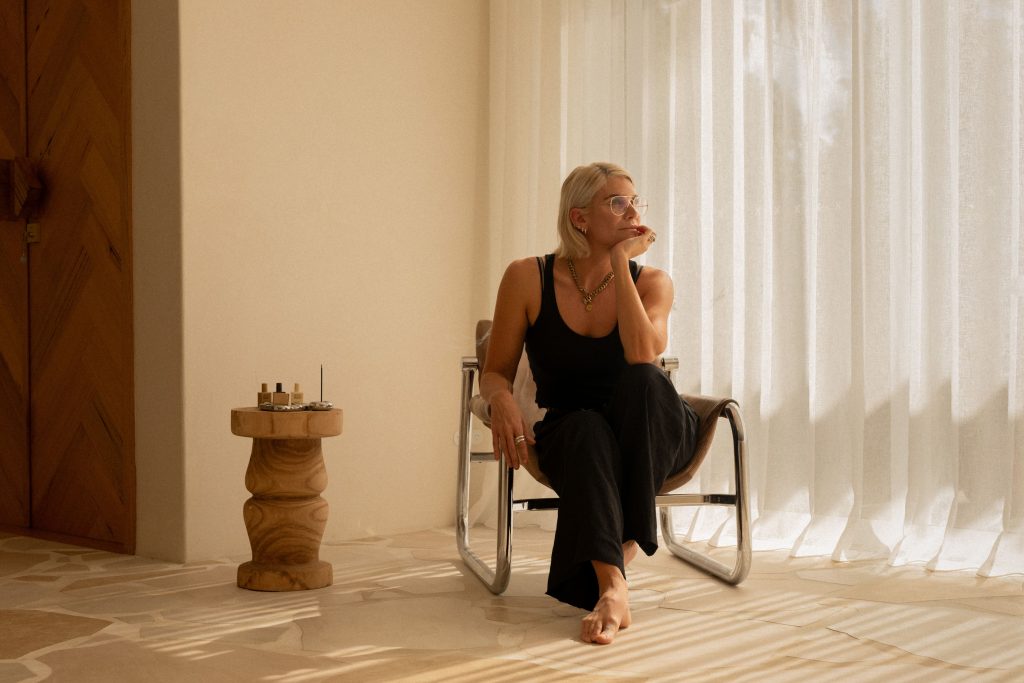




As the Sunshine Coast evolves, architect Jolyon Robinson believes the region's future won't be defined by how much it grows, but by how thoughtfully it responds to the landscape, climate and character that have always made it unique.
Based on the Sunshine Coast, Robinson Architects has become known for creating homes that feel deeply connected to their surroundings. Rather than pursuing a recognisable architectural style, the practice approaches each project as a response to place, considering landscape, climate, orientation and the way people want to live.
For director Jolyon Robinson, architecture begins long before the first line is drawn.
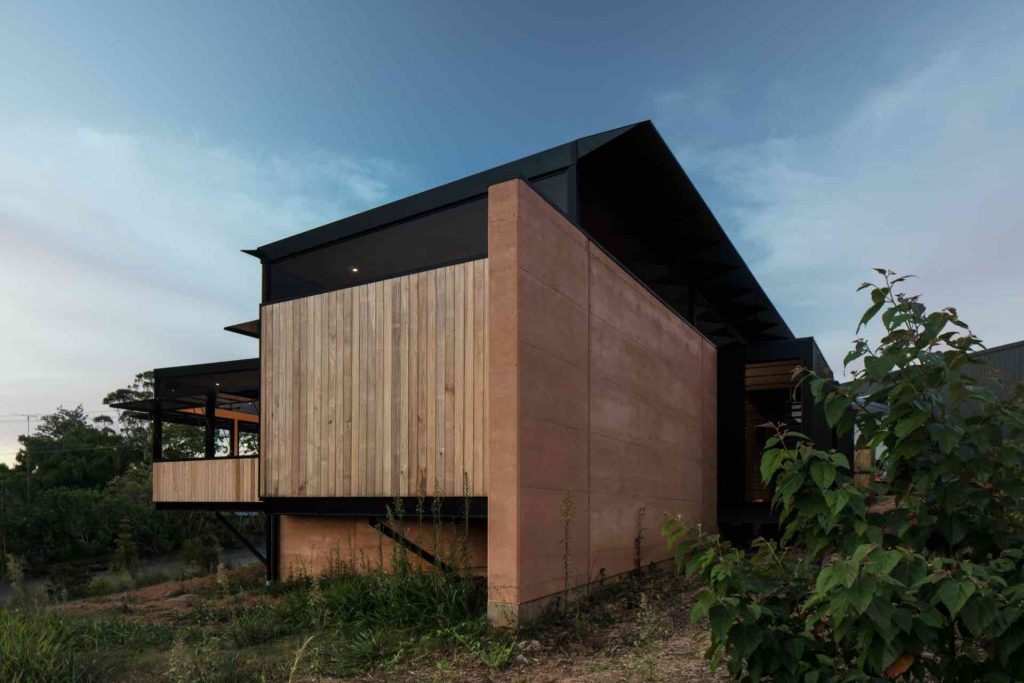
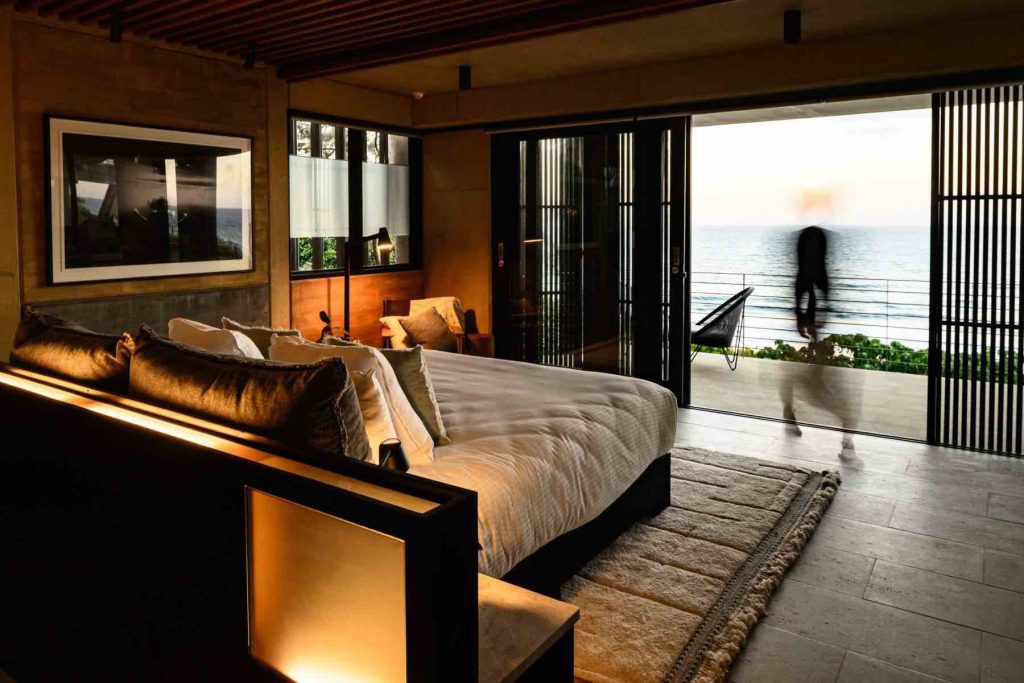
Rammed earth is an ancient building technique that creates highly durable walls by compacting a natural blend of soil, sand, clay and gravel, offering a sustainable approach to contemporary architecture.
“I think there are recurring ideas across our projects,” he says. “They tend to emerge from the way we approach each site rather than from trying to create a recognisable style. A recurring theme is the relationship between shelter and openness, creating spaces that feel protected and grounded, but still connected to landscape, light, breeze and the changing conditions around them.”
That relationship between protection and connection is particularly important on the Sunshine Coast, where the landscape is never simply a backdrop. It is an active force that shapes daily life.
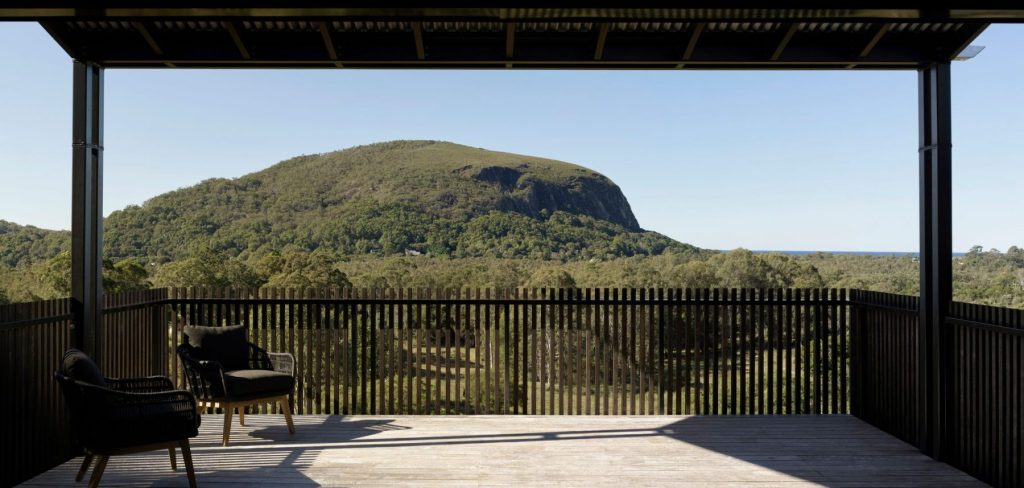
While coastal living is often associated with expansive views and a relaxed lifestyle, Robinson believes many people underestimate the realities of designing for the coastline.
“The coastline is not a fixed condition. It’s constantly moving and changing through weather, vegetation, erosion, growth and the way people interact with it.”
“The challenge is creating buildings that capture the beauty of coastal living while respecting the forces that come with it. Salt, wind, sun, moisture and storms all have a real impact on how a building should be designed and detailed.”
Good coastal architecture is never about competing with nature.
“The best coastal architecture doesn’t try to compete with the coastline; it finds a way to sit within it.”
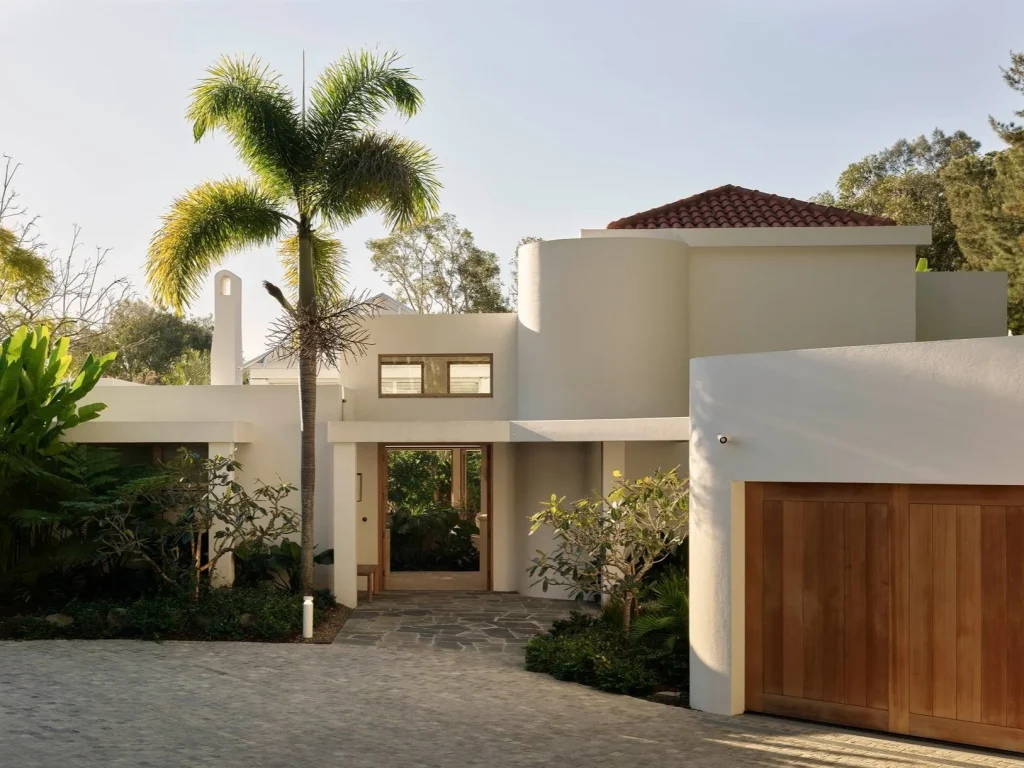
That thinking can be seen throughout the studio’s residential work, where homes are designed to feel embedded within their environment rather than imposed upon it.
Andy’s House is one such example.
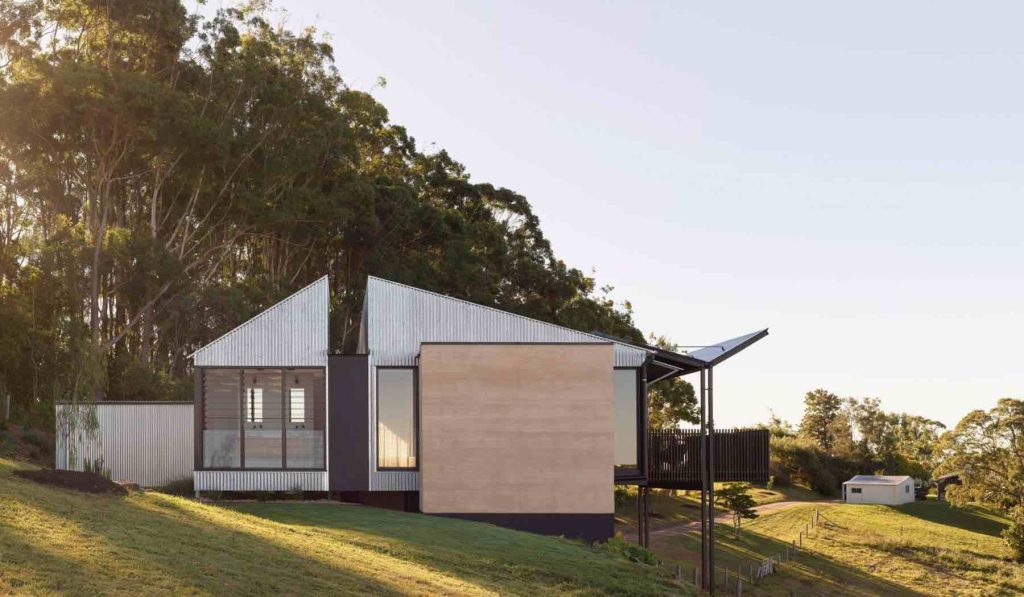
Wrapped in corrugated steel, the home embraces a material that Robinson sees as both practical and deeply connected to the Australian landscape.
“Corrugated steel is a material that has a strong connection to the Australian landscape. It’s practical, durable and honest, but it also changes beautifully over time.It catches the light differently throughout the day, weathers with the elements and gives the home a sense of simplicity and resilience.”
The choice was never about creating a statement.
“The intention wasn’t to use steel as a statement. It was about choosing a material that suited the conditions and the way the house wanted to live.
A lot of the simplest looking decisions are often the most complex. Something like placing a window, creating an opening, or orienting a room toward a view can appear very straightforward in a drawing, but it involves balancing many things at once. Sun, heat, glare, privacy, breeze, structure, materials, maintenance and how people will actually use the space.
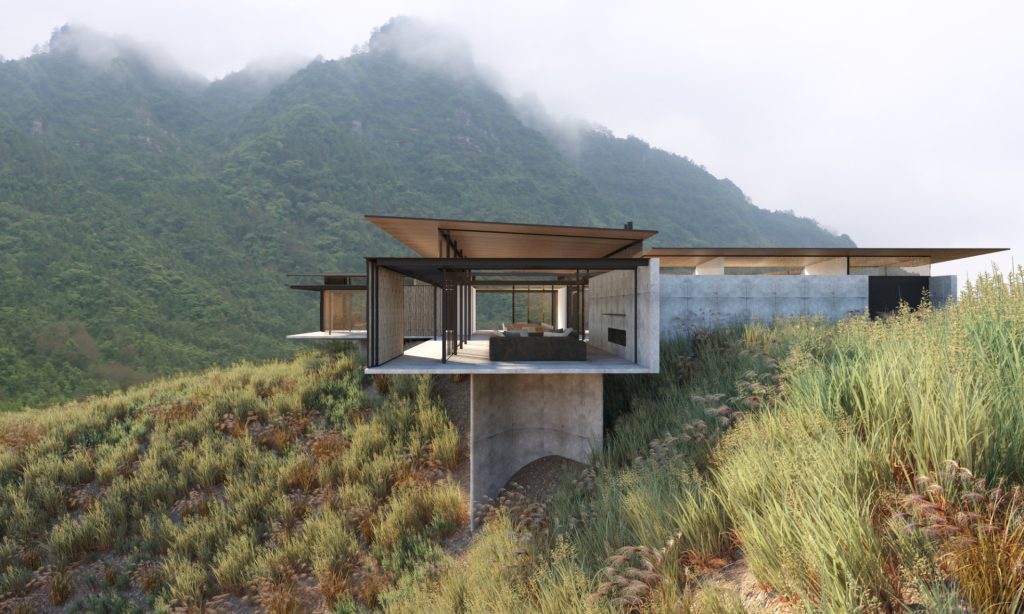
Those quieter decisions became particularly important at Ridgewood House.
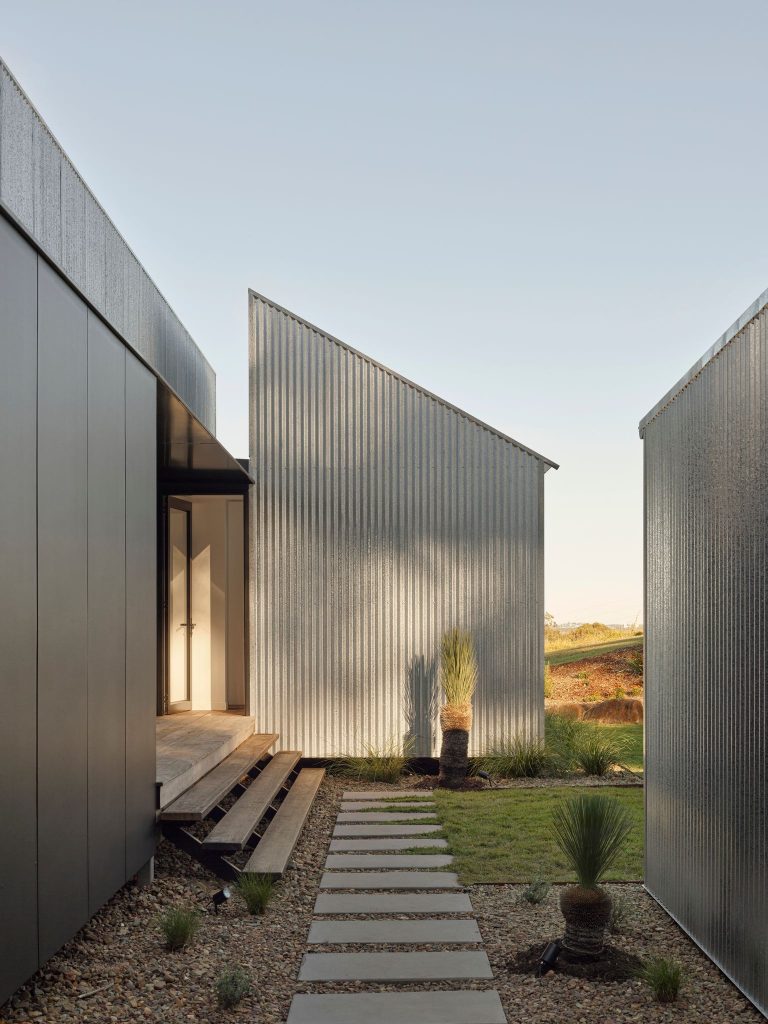
Rather than relying on a singular architectural gesture, the project focuses on the relationship between home and landscape.
Jolyon believes that often it’s the quieter decisions that end up having the biggest impact.
“A decision around orientation, for example, can influence everything: how light moves through the house, how breezes are captured, how spaces connect, and how the home feels throughout the day and across the seasons.”
Material choices carry similar weight.
“They affect not only the appearance of a home, but how it ages, how it feels to live with, and how it belongs to its setting over time.” Perhaps that attention to the quieter details is what connects Robinson’s projects most strongly. Not a visual signature, but a consistent way of responding to place. We often find ourselves working with thresholds: spaces between inside and outside, between built form and garden, between privacy and connection.”
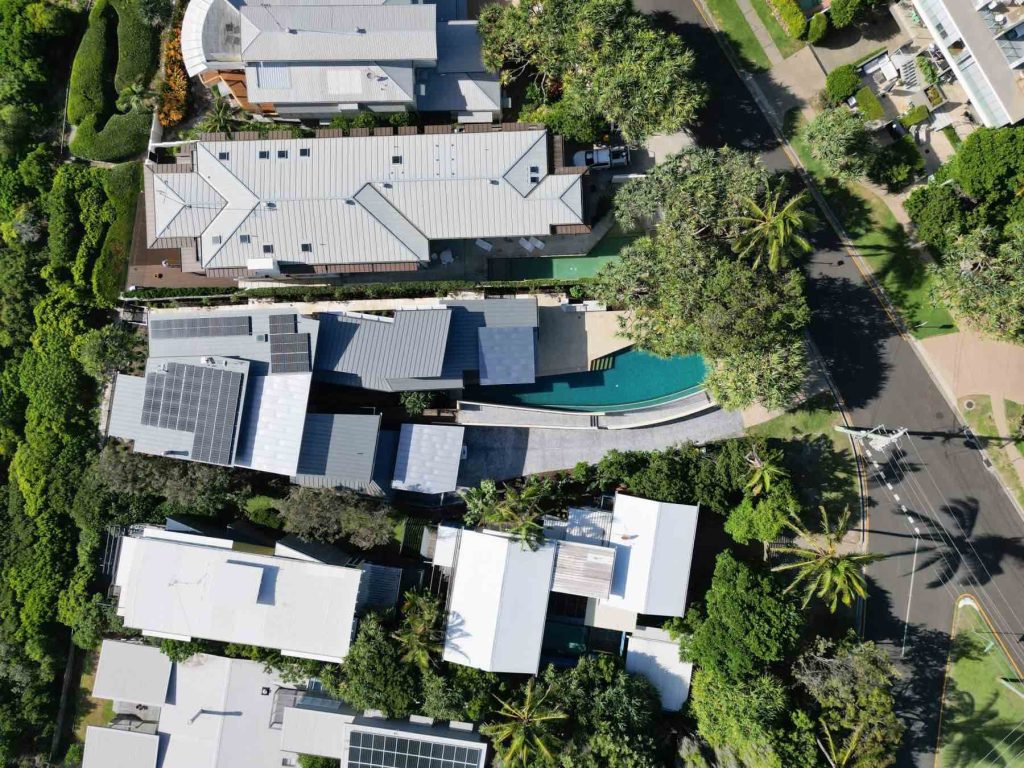
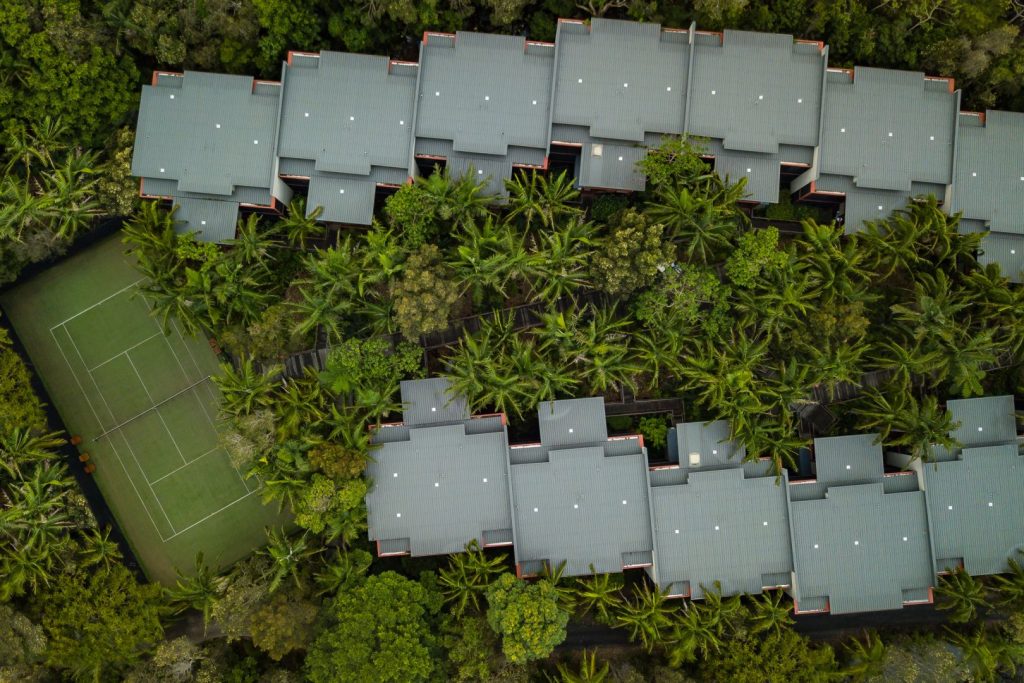
Those in between spaces have become increasingly important as the Sunshine Coast continues to evolve. Population growth and rising property values have transformed much of the region over the past decade, creating ongoing conversations around density, development and identity.
For Robinson, the discussion is not about preventing change.
“The openness of the Sunshine Coast has always been one of its defining qualities. The relationship between landscape, vegetation, ocean, and the spaces between buildings.”
“As growth increases, the challenge is not simply about how much we build, but how we build.”
He believes retaining that sense of openness requires a more considered approach to development.
“Retaining that sense of openness means being more intentional about density, protecting important landscape systems, and recognising that open space isn’t just leftover land. It’s a vital part of the identity and liveability of the region. Good design can allow more people to live here without losing what drew people here in the first place.”
That might mean preserving tree canopy and ecological corridors. It might mean concentrating development in appropriate locations or creating shared spaces that feel generous rather than crowded.
Ultimately, it comes back to understanding the character of a place before deciding how to shape it.
“The future of the Sunshine Coast shouldn’t be about freezing it in time; it should be about growth that respects the character of the place.”
Looking ahead to the next decade, Robinson believes the region’s architecture will increasingly be defined by its response to change.
Climate resilience, material durability and environmental performance will continue to shape the way homes are designed. Equally important will be a stronger integration between architecture and the natural systems that surround it.
“I think there will be a shift away from seeing landscape as something separate from architecture.The best future projects will be those that integrate with the natural systems of the coast, vegetation, water, biodiversity and the existing character of the place.”
What Robinson hopes remains unchanged is the quality that has long defined the region.
The Sunshine Coast has always had a sense of openness and informality.The challenge for the next decade is making sure growth adds to that identity rather than replacing it.
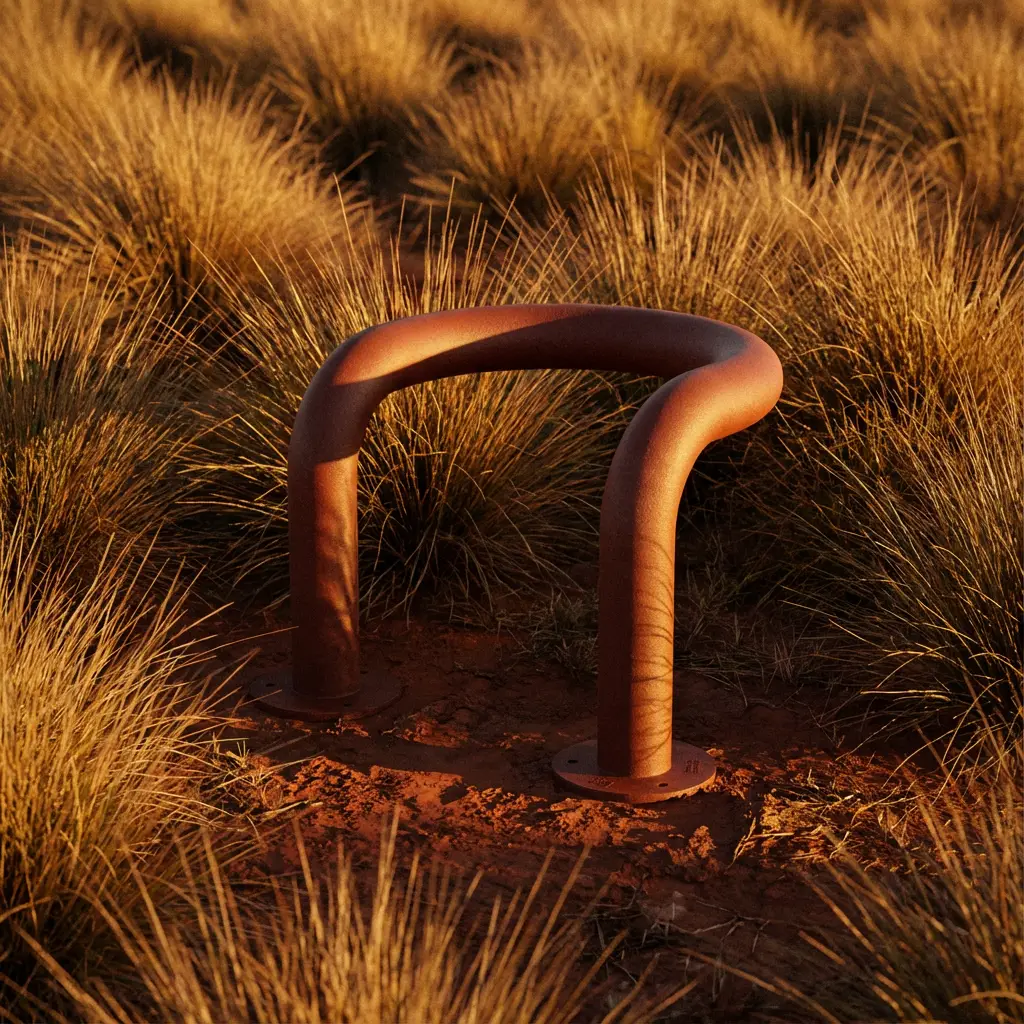
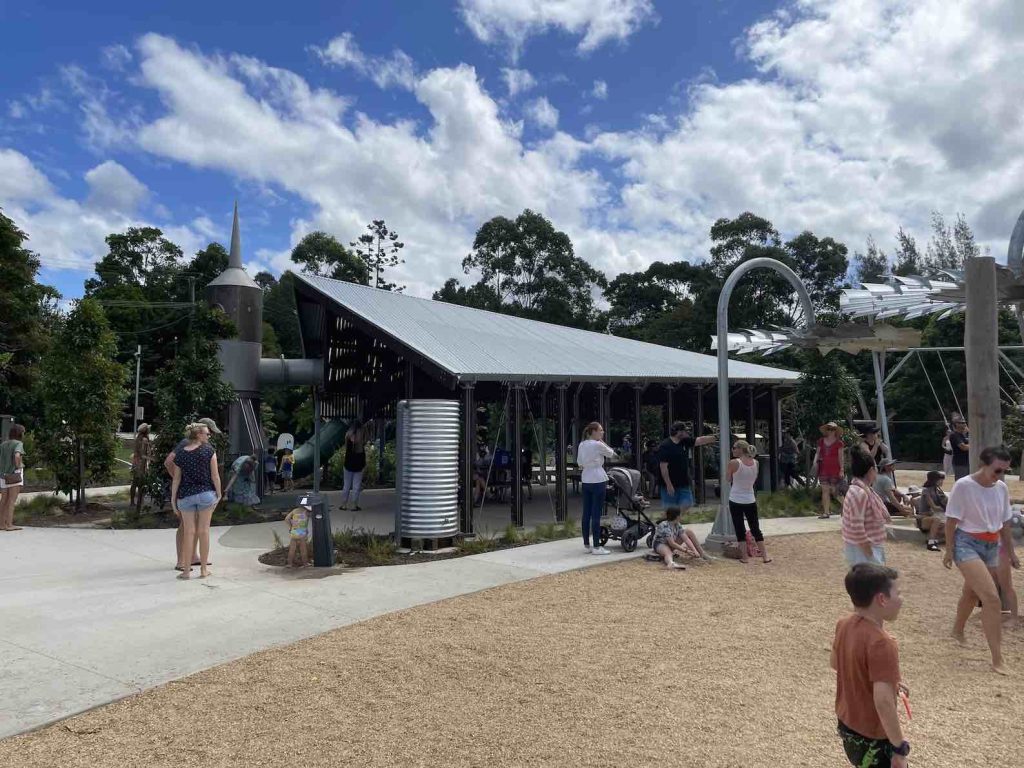
That philosophy extends beyond residential architecture. Earlier this year, Robinson Architects, in collaboration with Form Landscape Architects, was recognised at the 2026 Australian Institute of Architects Regional Awards, receiving the Sunshine Coast Regional Project of the Year award for the Hinterland Adventure Playground in Cooroy. The project was also honoured with the Hayes & Scott Award for Small Project Architecture at the 2026 Queensland Architecture Awards. More than a playground, the project reflects the studio’s ongoing commitment to creating spaces that strengthen connections between people, place and landscape, principles that continue to underpin Robinson’s work across the region.
In a region experiencing rapid change, it is a philosophy that feels both simple and increasingly important. Not architecture as an object, but architecture as a response. One that listens carefully to the landscape, understands its conditions and leaves room for the qualities that were already there.
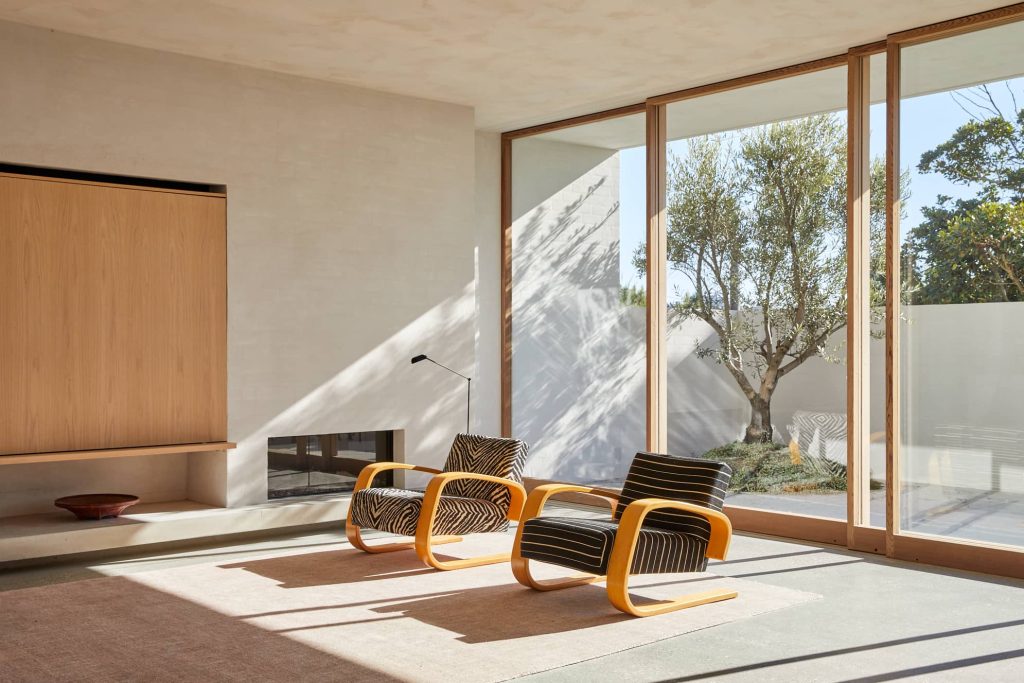
Commissioned by Craig and Ally Marsh; one of our most refined projects with strong landscape integration and collaboration. Not especially large, but highly considered and influential for the practice.
Continue Reading
paper mâché sat down with Liv McDonald, a designer whose eye for detail and passion for interiors are at the heart of Studio Collective’s ethos. Our conversation delved into the studio’s design philosophy, their most exciting projects, and the trends shaping the future of interior design.
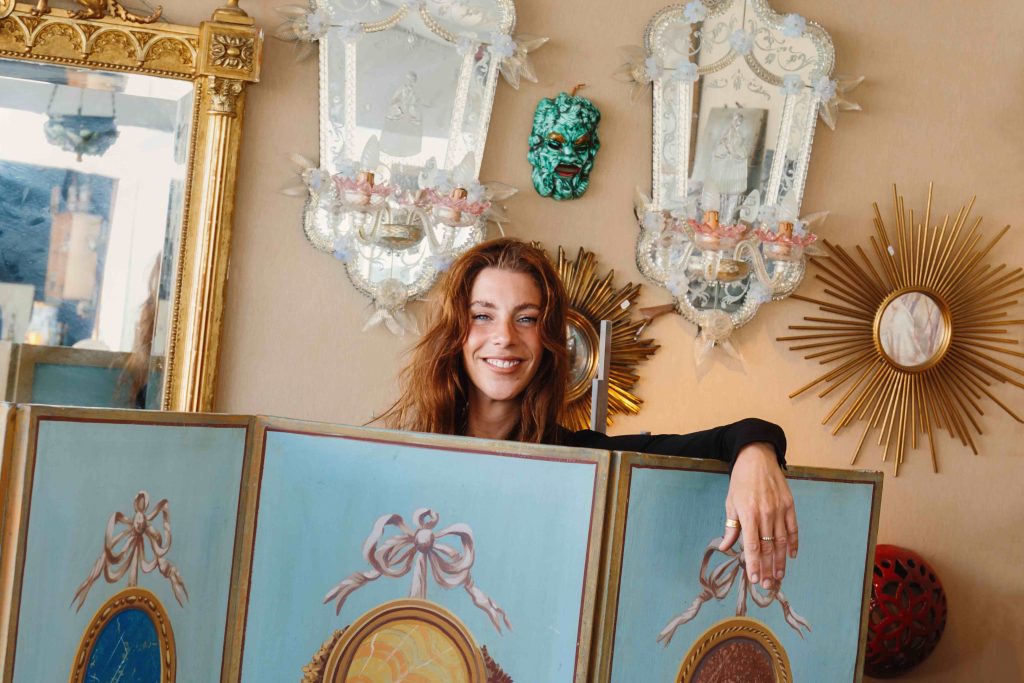
Claire, with her signature joie de vivre, drifts through it all, laughing, storytelling, matching new owners to old treasures as if it were always meant to be. She understands, perhaps better than anyone, that a piece of furniture is never just an object. It’s a memory, a secret, a patina of years and nights well-lived.