Brisbane Is No Longer Fashion’s Quiet Achiever

For years, Queensland occupied an unusual place within Australia’s fashion conversation. Sydney was associated with influence. Melbourne built its reputation on fashion credibility. Queensland, meanwhile, was often reduced to sunshine, resort wear and an enviable lifestyle.

Yet while much of the industry looked south, Queensland quietly got on with the business of creating brands people genuinely wanted to wear and created them well. 

Today, some of Australia’s most recognisable labels call Queensland home. Their success has not been built through imitation, but through a distinctly local understanding of how Australians actually live, dress and move through the world.

As Brisbane Fashion Festival prepares to return this August, it arrives at a fascinating moment.

Queensland fashion is no longer asking to be included in the conversation.

Increasingly, it is helping lead it.

Brisbane’s Fashion Scene Has Outgrown The Underdog Narrative

For decades, there was an unspoken assumption that success required a move south. Fashion careers were built in Sydney. Creative credibility belonged to Melbourne. Queensland existed somewhere in between.

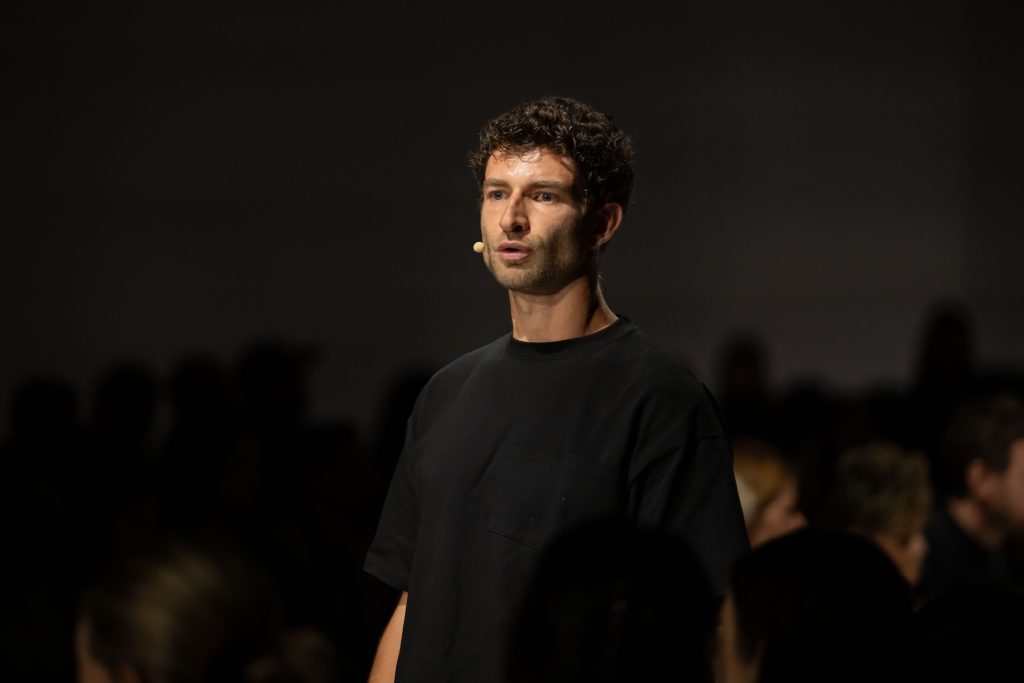
Festival Director Lindsay Bennett believes that perception is becoming increasingly outdated.

“We don’t need to replicate Sydney’s pace or Melbourne’s intellectualism to be creatively different.”

Instead, Queensland has developed a fashion identity shaped by something far more powerful: its lifestyle.

“Our fashion identity is shaped by where and how we live. We dress for humidity, long lunches, river walks, breakfasts and coffee dates, outdoor events and a subtropical lifestyle that genuinely influences design.”

Brisbane itself has evolved into a far more sophisticated retail and creative destination than many Australians realise. Precincts such as James Street, Edward Street, Queen Street Mall and QueensPlaza have become magnets for both international labels and independent Australian designers, creating an ecosystem that continues to attract investment, talent and consumer attention.

Historically, designers often felt they needed to relocate to build successful businesses. Today, technology allows Queensland brands to reach national and international audiences while remaining firmly connected to the place that inspires them. Perhaps Queensland’s greatest contribution to Australian fashion isn’t a trend at all. It’s a philosophy.

 “Queensland designers have an innate understanding of dressing for real life without sacrificing elegance,” 

“There is a confidence in designing clothes that acknowledges climate, movement and comfort while still feeling considered and luxurious.”

In a fashion landscape increasingly driven by authenticity, that philosophy feels more relevant than ever.

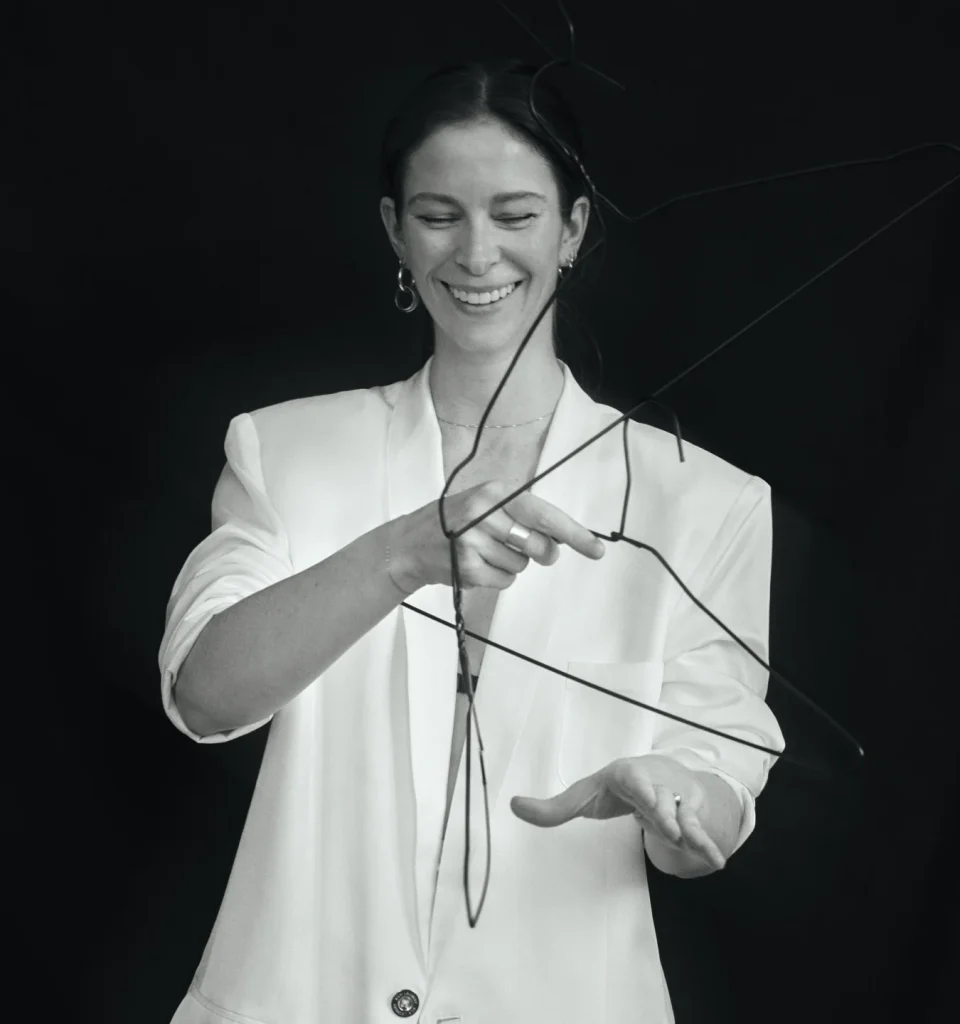
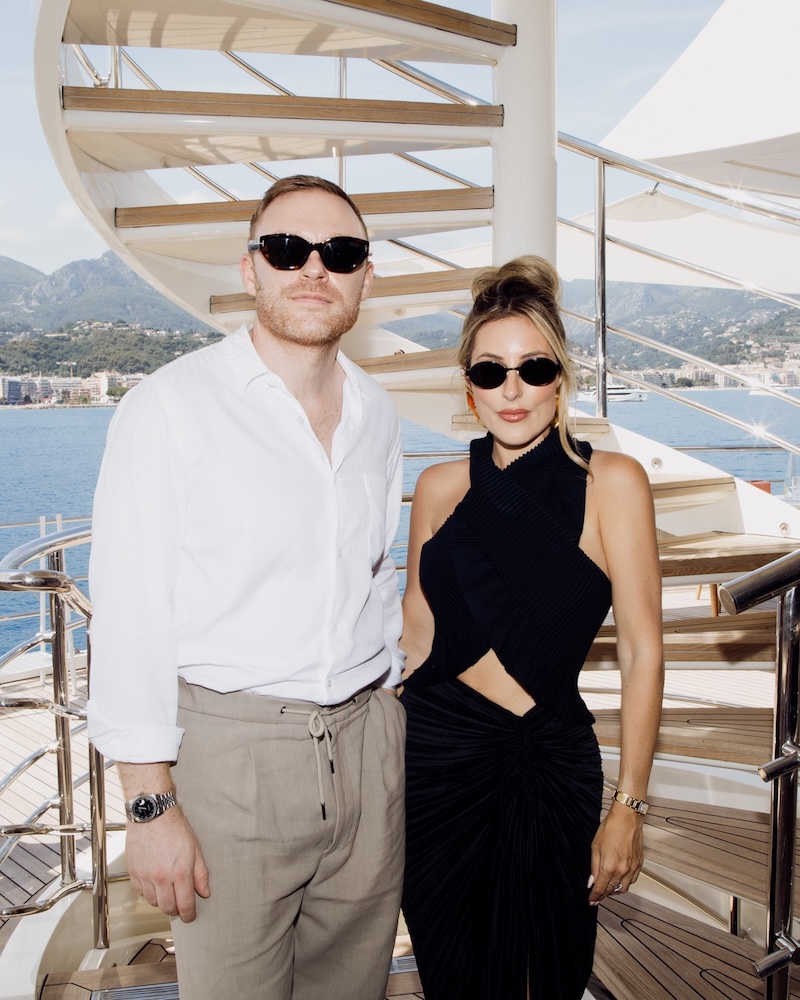
Silk Laundry founder Katie Kolodinski built one of Australia's most recognisable contemporary fashion brands from Queensland. Silk Laundry will be walking the catwalk at Brisbane Fashion Festival.
Fashion Has Never Looked More Complex

The success of Australian fashion brands can often appear effortless from the outside.

Consumers see runway shows, campaign imagery and beautifully curated social media feeds. What they rarely see is the reality behind the scenes.

“I would say it’s incredibly difficult, people see the runway, the campaign imagery and the beautiful garments, but behind that is usually a founder wearing ten hats at once.”

Today’s designers are expected to be far more than designers.

“They’re designing collections, managing production schedules, packing online orders, handling customer service, chasing invoices, creating content for social media and worrying about cash flow.”

The modern fashion founder is often equal parts creative director, marketer, content creator and entrepreneur. Twenty years ago, a designer could focus primarily on the collection itself. Today, they’re also expected to be storytellers, creative directors, personalities and publishers.

“People underestimate just how much resilience is required. Talent is important, but endurance is equally so.”

The labels that survive are often not simply the most talented, but the most adaptable.

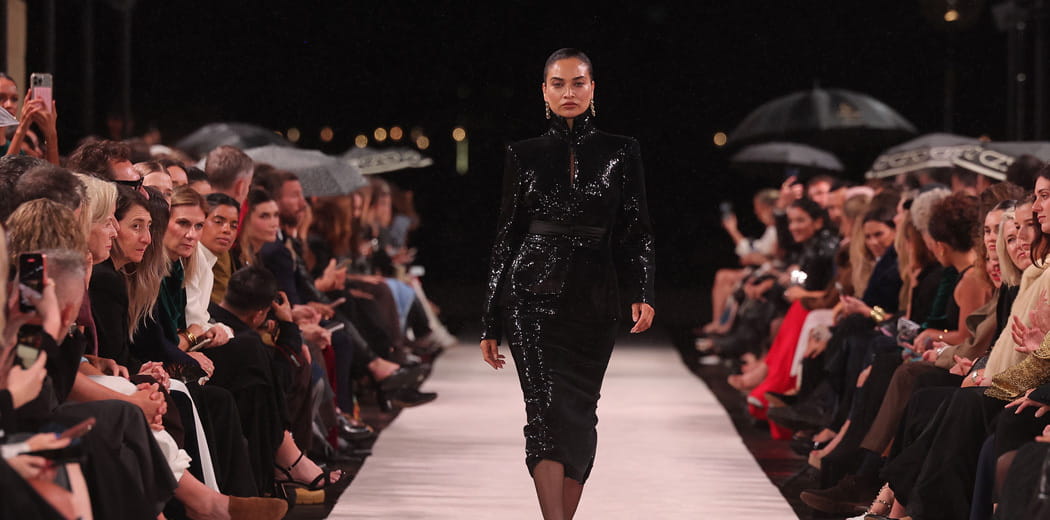
Carla Zampatti (1942–2021) was an iconic Italian-Australian fashion designer and businesswoman who founded her eponymous fashion label, Carla Zampatti Pty Ltd, in 1965. She built one of Australia's most successful fashion empires and was widely celebrated for empowering women through her elegant, tailored designs.
Fashion Is Selling Something Bigger Than Clothes

The modern consumer is no longer simply buying a garment. They’re buying into a story.

Open Instagram and it quickly becomes apparent that the most successful brands rarely lead with product. Instead, they lead with identity, values and belonging. Consumers are not simply asking whether they like a dress. They’re asking whether they see themselves in the world surrounding it.

According to Bennett, younger consumers in particular are demanding more from the brands they support.

“They certainly appreciate beautiful products, but they also want to know who made them, where they were produced and what values sit behind the business.”

What’s the story?

That question increasingly sits at the centre of fashion purchasing decisions.

Consumers are embracing second-hand fashion, rental platforms and more considered wardrobes. They are asking larger questions around sustainability, transparency and ethics.

“They want fashion to align with their ethics, not just their aesthetic preferences.”

The result is an industry moving away from aspiration alone and towards something deeper. Consumers still want beautiful things, and they simply want meaning attached to them.

Can Artificial Intelligence Create Taste?

No conversation about the future of fashion would be complete without discussing artificial intelligence.

From forecasting trends and managing inventory to assisting with e-commerce and content creation, AI is already transforming how fashion businesses operate. For small brands in particular, the efficiencies are undeniable. Yet beneath the excitement sits a larger question.

If every brand has access to the same tools, the same data and the same algorithms, what happens to originality?

Bennett remains clear on one point. “What I don’t think AI can replace is creativity.”

Fashion has always been driven by perspective. The labels that leave a lasting impact are rarely those that simply respond to trends. They are the ones that create them.

“Great designers draw inspiration from travel, art, emotion, culture and lived experiences, and they bring a point of view that feels distinctly human.”

Ironically, as technology becomes more sophisticated, human creativity may become even more valuable.

“If too many brands rely on the same data and algorithms, we risk seeing fashion become increasingly boring and monotonous.”

Why Australian Fashion Is Looking Inward

One of Bennett’s most interesting predictions is that Australian fashion will become increasingly confident in its own identity.

For years, many brands looked overseas for validation. European styling informed campaigns. International trends dictated taste. Success was often measured against foreign standards.

“I suspect Australian fashion will become more regionally confident.”

It is a shift already visible across the industry.

Increasingly, brands are embracing local stories, local landscapes and uniquely Australian perspectives rather than borrowing from somewhere else.

Authenticity is becoming a competitive advantage.

“Rather than aspiring to fit within overseas frameworks and seasons, designers will lean further into what makes this country unique, our climate, our multicultural influences, our lifestyle and our sense of practicality.”

Perhaps after years of looking outward, Australian fashion is beginning to recognise the strength of its own voice.

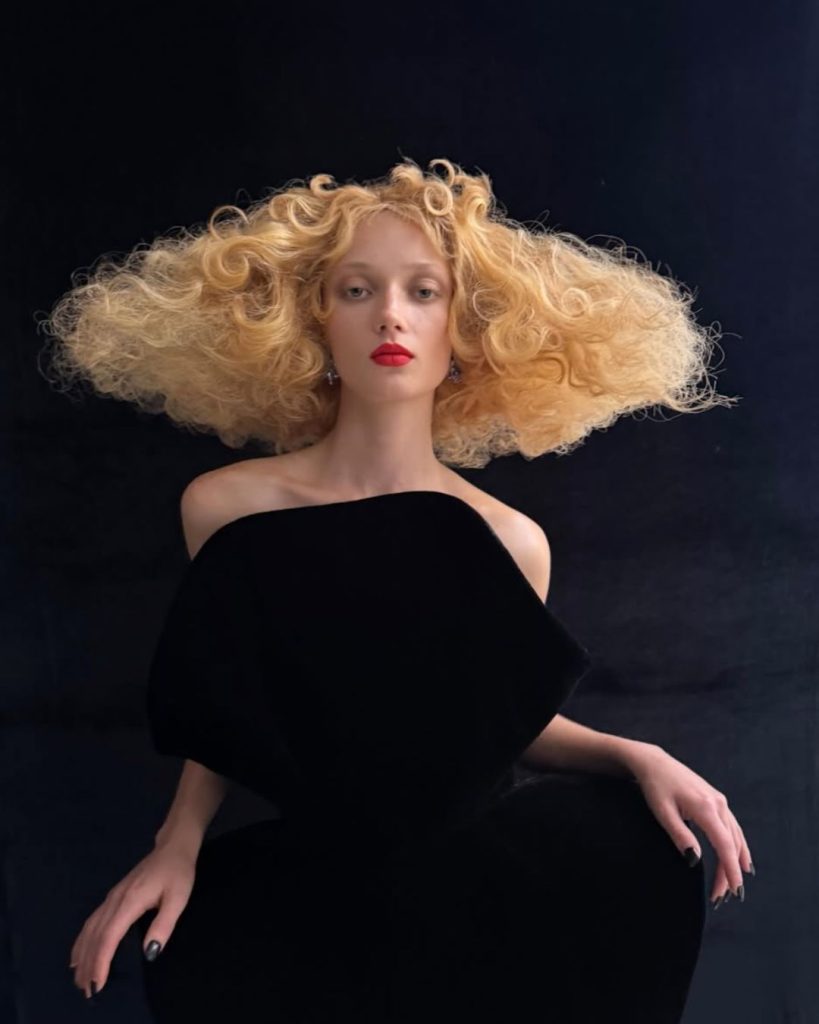
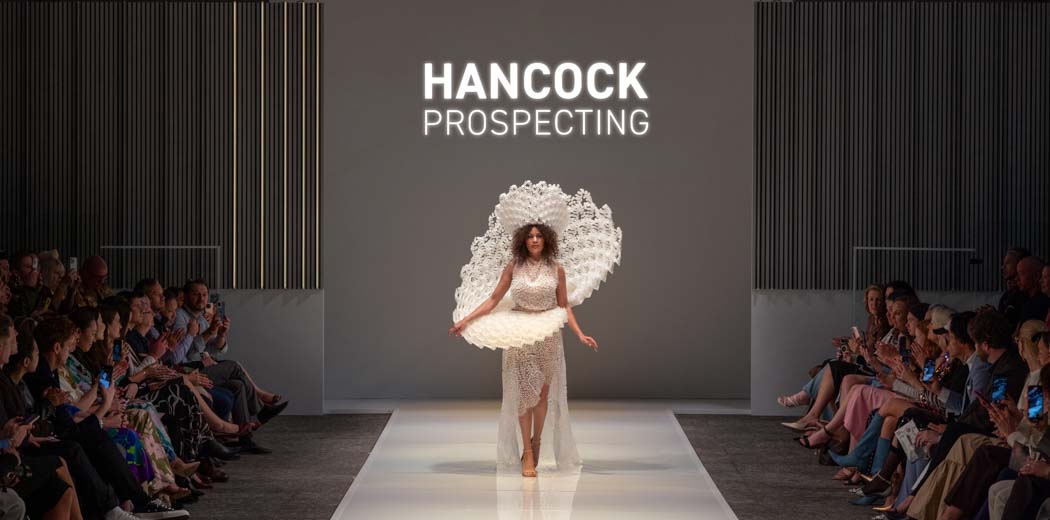
Couture by Suzy Syme Art Couture at the Hancock Prospecting Next Gen Group Show. As part of the Brisbane Fashion Festival in 2025
Country Is Cool Again. Wasn’t It Always?

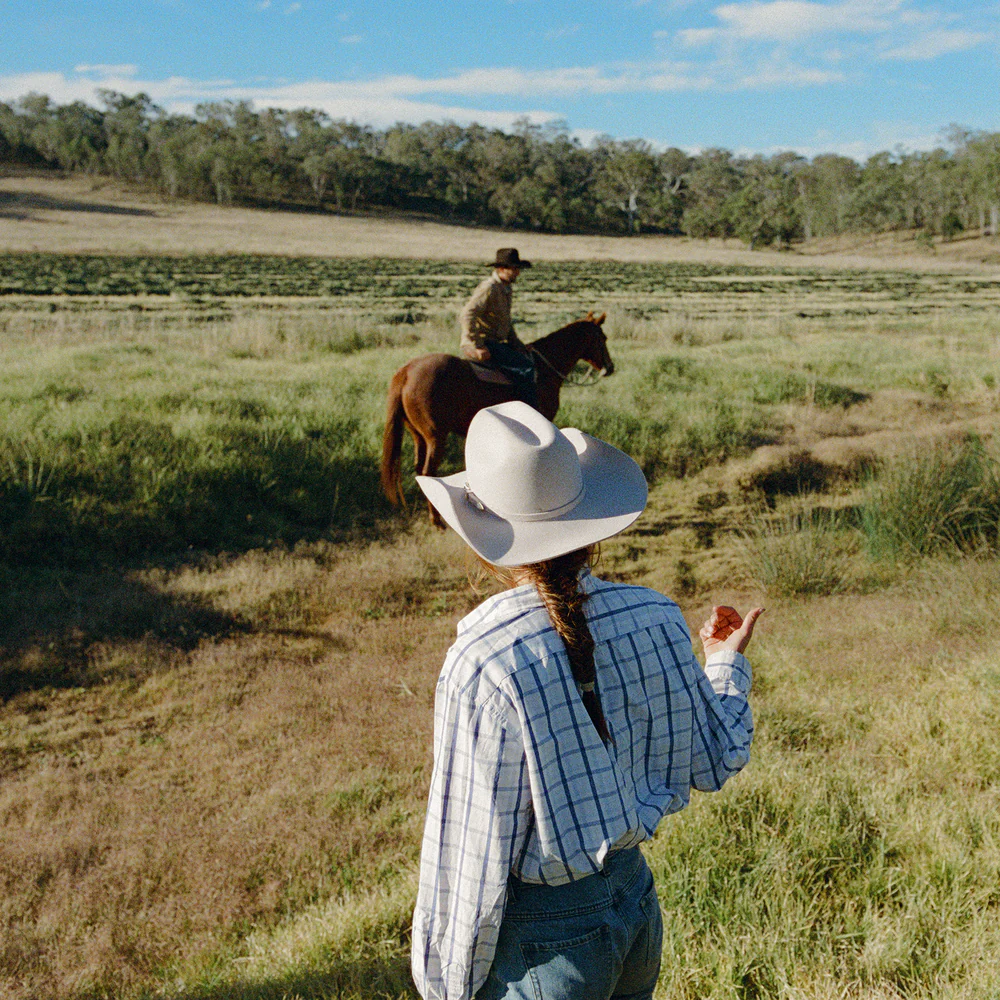
Bennett points to S.Kidman as a brand successfully embracing a distinctly Australian identity.

Forged by life on the land, the label reflects something many Australians instinctively understand: a connection to place, practicality, resilience and style without pretension.

As editor of paper mâché, I find this particularly fascinating.

Recently we’ve seen a renewed fascination with rural Australia emerge across fashion and social media. Creators such as Madeline Curr have introduced a new generation to station life, rodeo culture and regional communities. What may once have been considered niche has become aspirational and increasingly influential within fashion.

There is something enduringly appealing about the Australian rural spirit. The work ethic. The resilience. The sense of community. The connection to landscape.

At a time when much of modern life feels increasingly digital and curated, it is little surprise consumers are gravitating towards stories that feel tangible and real. Fashion has always reflected cultural sentiment. Right now, that sentiment appears to be shifting closer to home.

Madeline Curr with Akubra Australia
What Brisbane Fashion Festival Is Really Showcasing This Year

These conversations will undoubtedly play out throughout Brisbane Fashion Festival this August.

More than a series of runway presentations, the festival has become a reflection of the ideas shaping Australian fashion today. Creativity, authenticity, sustainability, emerging talent and a growing confidence in Australian identity all find a place within the program.

Yet when Bennett speaks about the future of the festival, he rarely talks about ticket sales or celebrity attendance. Instead, he talks about opportunity.

“I’d love people to look back and see the Festival as a custodian of Queensland creativity during a period when independent fashion businesses faced enormous pressure.”

For more than twenty years, Brisbane Fashion Festival has provided visibility for designers, models, photographers, stylists and creatives at pivotal moments in their careers.

The true measure of success, Bennett believes, is not what happens during the festival itself, but what happens afterwards.

“If we’re remembered for creating opportunities and fostering confidence in Queensland fashion, I’d be very proud of that.”

It is perhaps why the festival continues to resonate. Fashion, after all, does not exist in isolation.

“It’s informed by architecture, hospitality, music and the broader creative ecosystem.”

The festival’s Off Runway program reflects exactly that, bringing together fashion, art, culture, hospitality and conversation in a way that feels distinctly Brisbane.

In many ways, Brisbane Fashion Festival has evolved alongside the industry it represents. What was once a platform advocating for Queensland fashion now finds itself documenting its success.

Mark Your Calendar

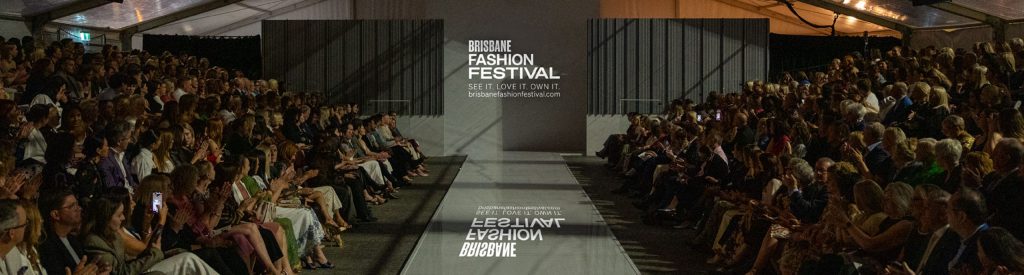
Brisbane Fashion Festival returns from 24 to 28 August, transforming King George Square and Brisbane City Hall into the epicentre of Queensland fashion.

Celebrating its 21st year, the program features a mix of established Australian fashion houses, emerging designers and industry favourites, including the Carla Zampatti Runway Show, the W Brisbane Fashion Show, the Hancock Prospecting Next Gen Group Show and the Gala Closing Designer Group Show.

Beyond the runway, guests can experience the festival’s Off Runway program of fashion conversations, dining experiences and cultural events across the city.

Tickets and the full festival program are available now.
Written by Bailey Doyle.
Like what you read?

Share this article with your followers.

Sign up to the newsletter

Be the first to know