The Brisbane Architect Behind Australia’s Most Recognised Coastal Homes

A shifting language of home begins to emerge.

For a long time, luxury homes were designed to be seen and to impress.

Open plan statements, oversized voids and highly curated finishes became symbols of aspiration, with architecture often operating as an external expression of success as much as a place to live within. Homes spoke loudly. 

That language is beginning to soften.

In conversation with architect Shaun Lockyer, founder of Shaun Lockyer Architects, a Brisbane based practice recognised for its coastal residential work across Australia.

The studio is known for homes shaped by restraint, material honesty and a strong response to site and landscape, where architecture is less about statement and more about how spaces are lived in over time. It is within this lens that the conversation unfolds, as an exploration of how luxury housing is quietly transitioning from visibility towards experience and comfort.

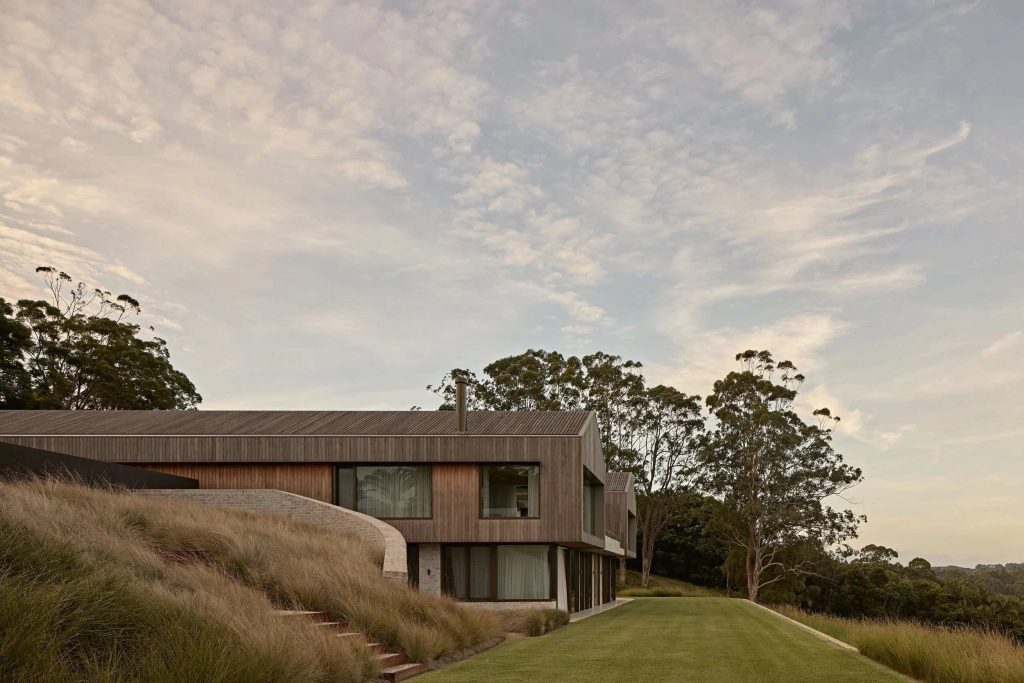
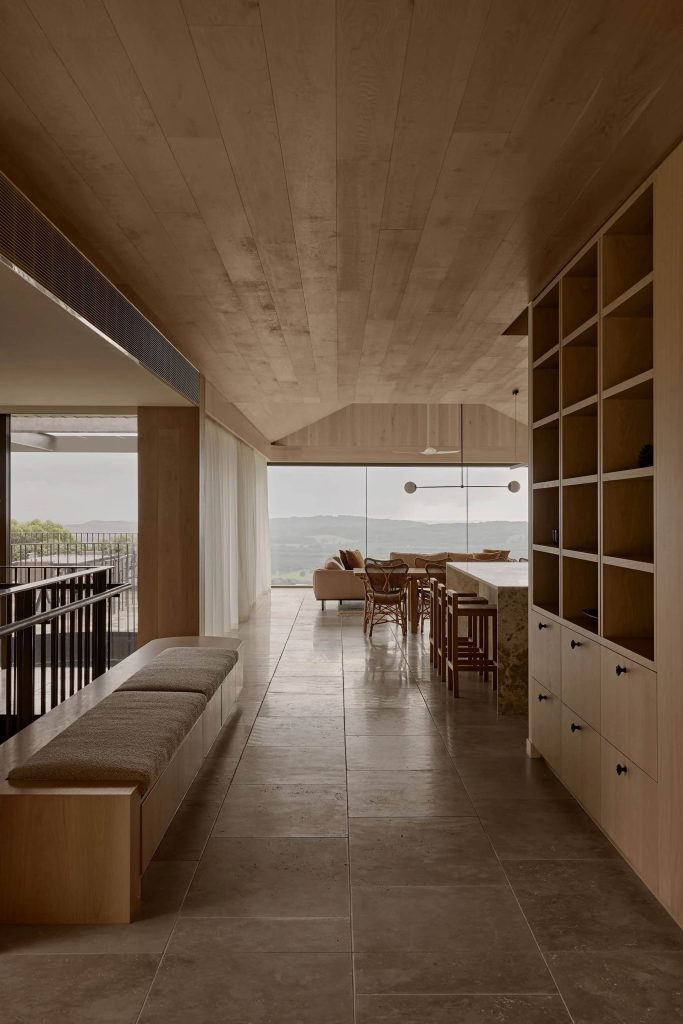
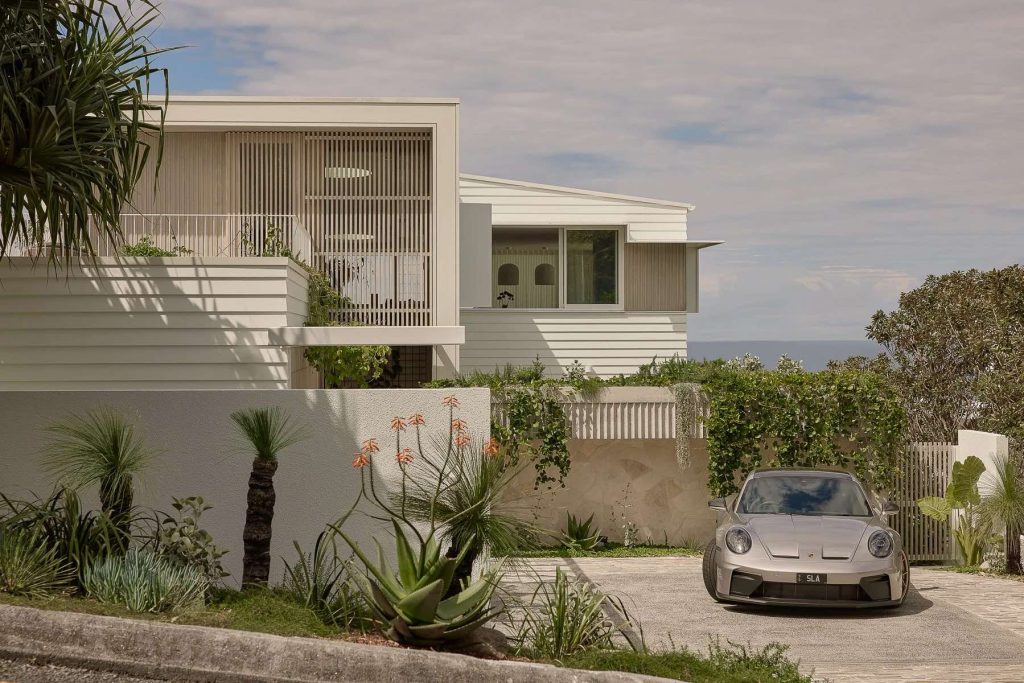
Byron Hinterland designed by, Shaun Lockyer, Matt Napper and Kevin Li for SLa

A lot of luxury architecture once centred around visibility. Bigger spaces, more statements, more spectacle. Do you feel people are craving something different from their homes now?

“There is very much a shift away from visibility, statement spaces and that neighbour to neighbour comparison mindset. People are becoming far more conscious of how they actually want to live, and we’re seeing quality of life, health and mental wellbeing become major drivers in what clients want from their homes.”

“For us as a practice, that means focusing on architecture that genuinely supports those outcomes. It’s less about perceived grandeur or cost, and more about creating sustainable homes that feel good to live in and positively impact everyday life.”

What feels emotionally important in a home right now that maybe did not ten years ago?

“It’s becoming increasingly common for adolescents and adult children to remain at home well into their twenties, and sometimes into their early thirties.

Housing affordability is certainly part of what’s driving that, although there are probably other social and lifestyle factors contributing as well. I think that shift has also changed what people value emotionally in a home.

There’s more focus now on creating spaces that support longevity, comfort and wellbeing, homes designed for longer-term, more timeless outcomes rather than architecture that exists simply for fashion’s sake. We’re also seeing a significant rise in wellness-focused spaces within residential design. Clients are increasingly incorporating areas like gymnasiums, golf simulators, saunas, steam rooms and ice baths, alongside spaces dedicated to massage, meditation and yoga.”

There seems to be a growing resistance to homes that feel overly polished or performative. Do you think people are becoming more drawn to spaces that feel personal and lived in?

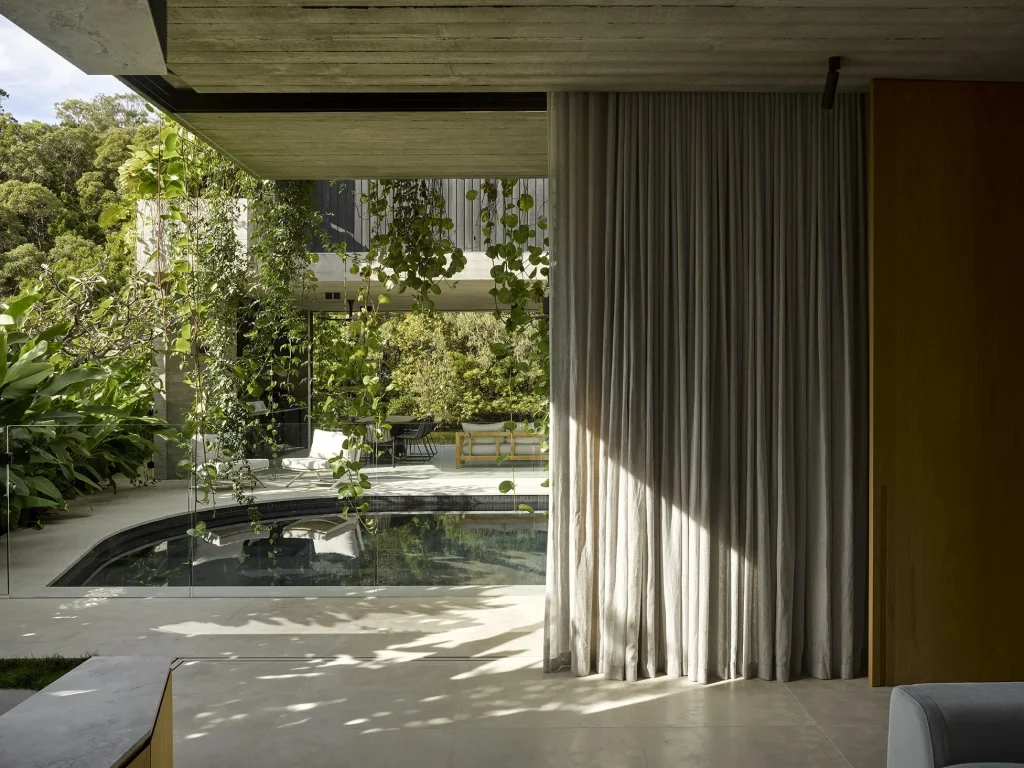
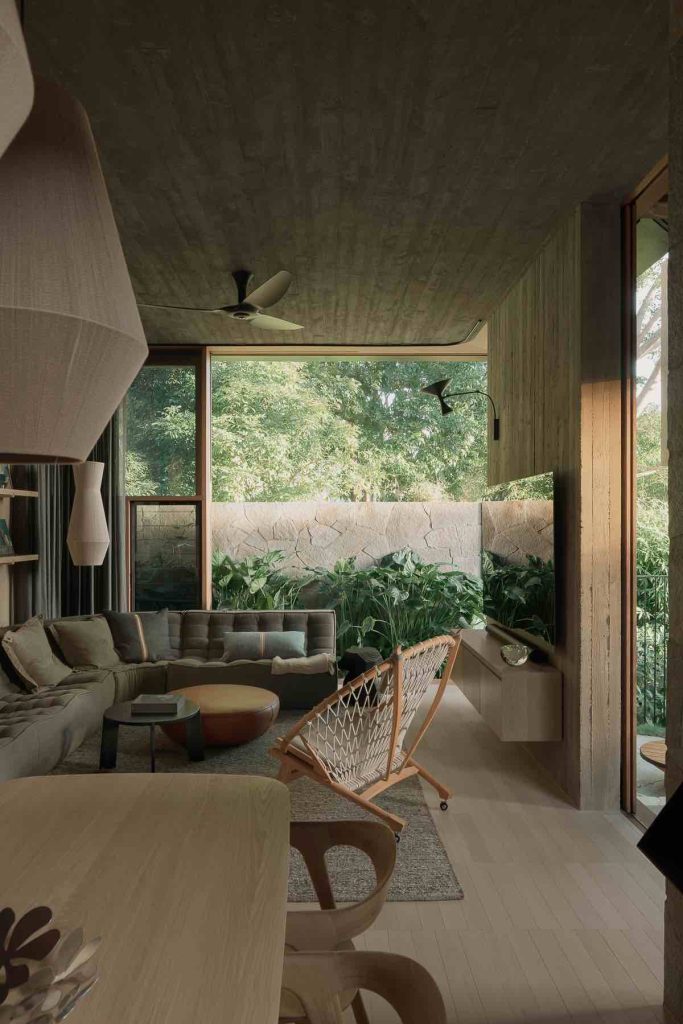
“Absolutely. There’s definitely a growing resistance to homes that feel overly polished or performative. People are becoming much more drawn to spaces that feel tactile, natural, enduring and genuinely beautiful. There’s a much stronger desire for connection to landscape and nature. To the trees, grass, plants and the world around us.

That often means working with finishes and materials that are durable, textured and able to age gracefully over time, sometimes even developing a patina. There’s something meaningful about a home being able to weather with life and age alongside the people living in it, rather than becoming an exercise in ongoing maintenance or perfection.”

You speak a lot through restraint in your work. What do you think restraint allows a home to do emotionally?

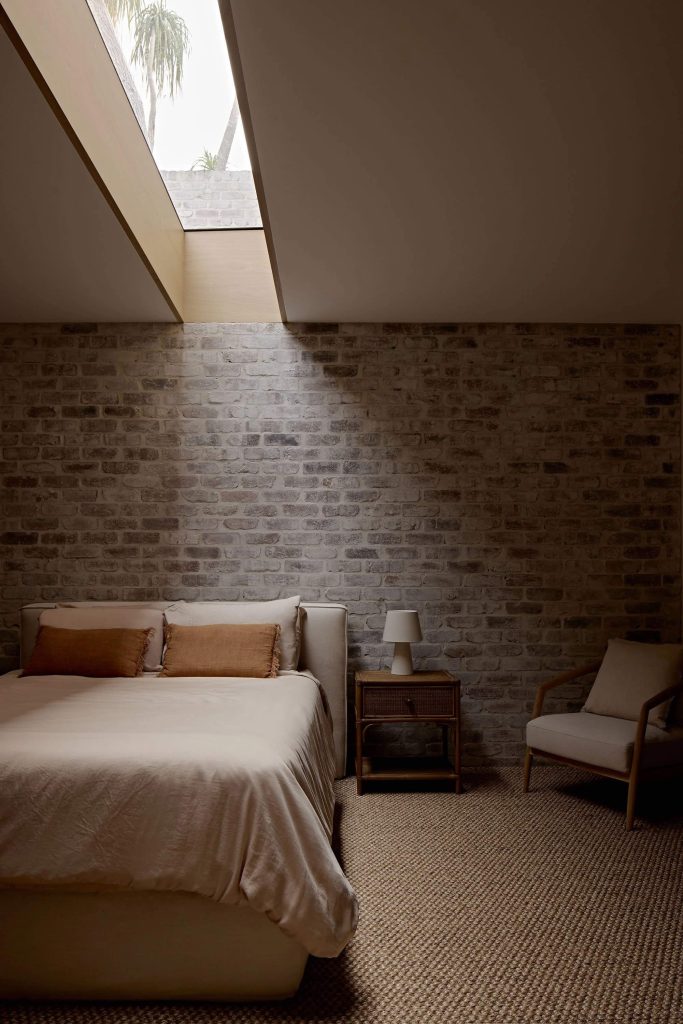
“Ideally, a home should feel like a sanctuary. It should feel safe, practical and creative, while also encouraging connection, bonding and joy in everyday life. I also think small poetic moments within architecture can have a powerful emotional impact, whether that’s a skylight, a beautiful window, or a feature that captures light or frames a view in a meaningful way. Anything that touches emotion and elevates the spirit is always a positive thing within a home.”

What details tend to matter most in the way people experience a space day to day, even if they are not consciously noticing them?

“Something as simple as a power point being in the right location can make a huge difference to how naturally and comfortably a space functions. The same goes for softer elements like curtains or sheer treatments that help filter and soften light throughout the day. Sometimes it’s also the small, almost subconscious moments that shape daily joy. 

I often say to clients. If you design around everyday rituals, movements and experiences of life, that’s where architecture can have the greatest impact on quality of life.”

"It’s important to focus on the 99 per cent of what happens in the house, rather than the 1 per cent."

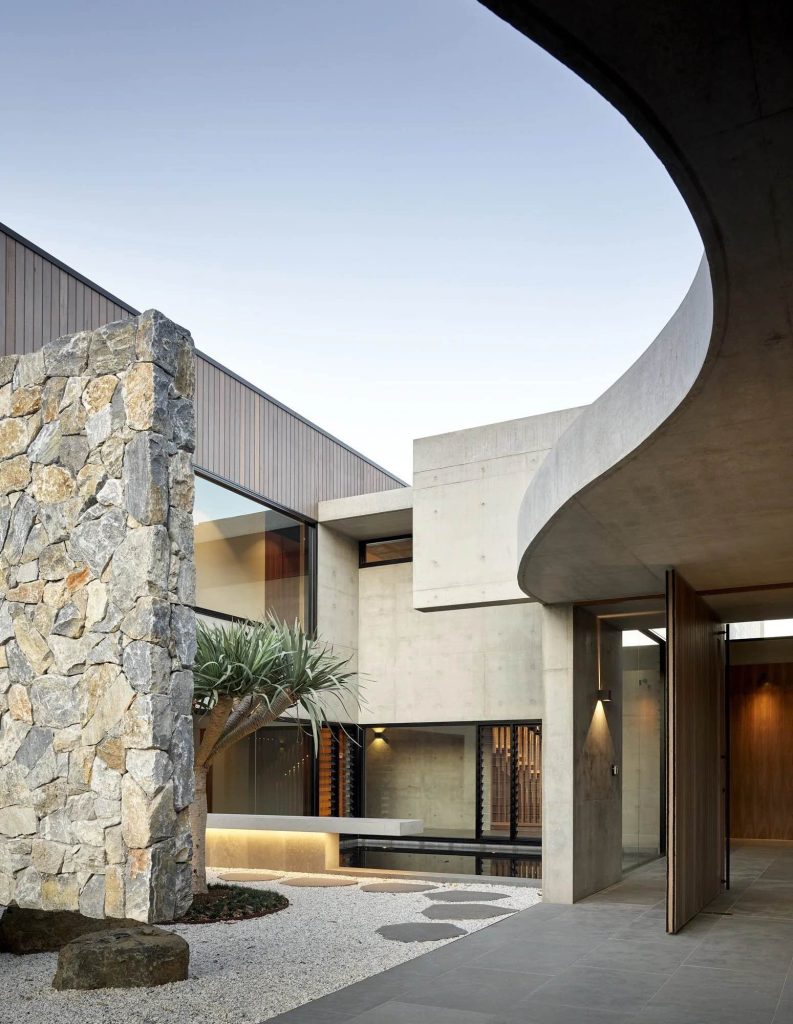
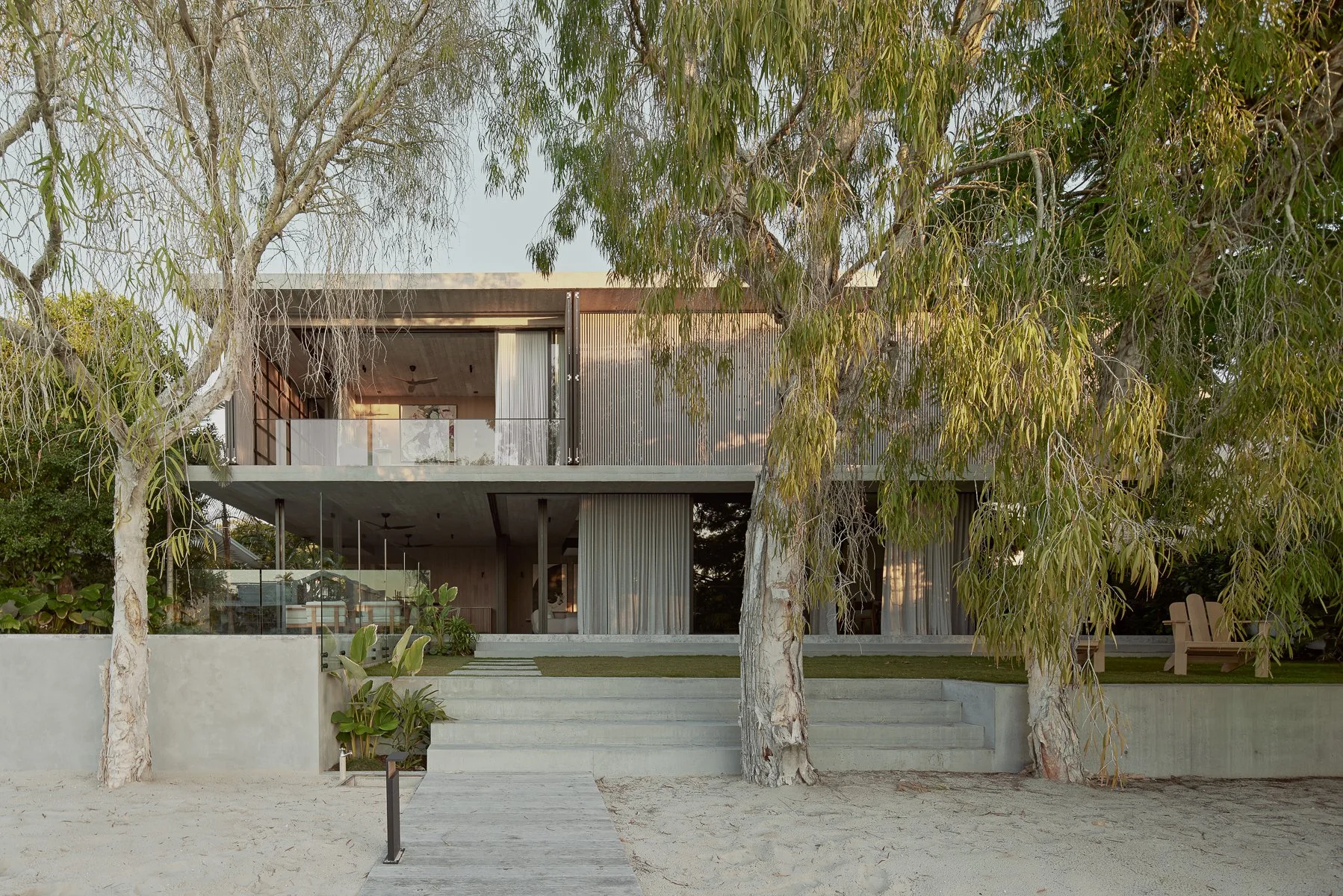
The Mossman House, by Shaun Lockyer, Neva Wethereld, Lucy Hyndman, Jen Negline and Kevin Li for SLa

We spend so much of life overstimulated, visible and connected. Would you say homes are becoming one of the few places people want less from?

“People are spending more time at home than ever before. Because of that, there’s a stronger desire for homes to feel quiet, spacious and calming where people can feel safe, relaxed and most authentically themselves. 

Homes are becoming more of a sanctuary from the noise and visibility of everyday life.”

When you walk into a home, what tells you immediately that it has been designed well?

“For me, good design is usually felt through ease and practicality. It’s in how naturally spaces flow into one another, how refined and resolved things feel, even down to details like where a light switch is positioned. I like architecture that feels clear, efficient and rigorously considered. Then there are the more poetic elements: beautiful materials, a carefully placed skylight, or a window framing light or a view in the right way.”

What feels timeless to you now? 

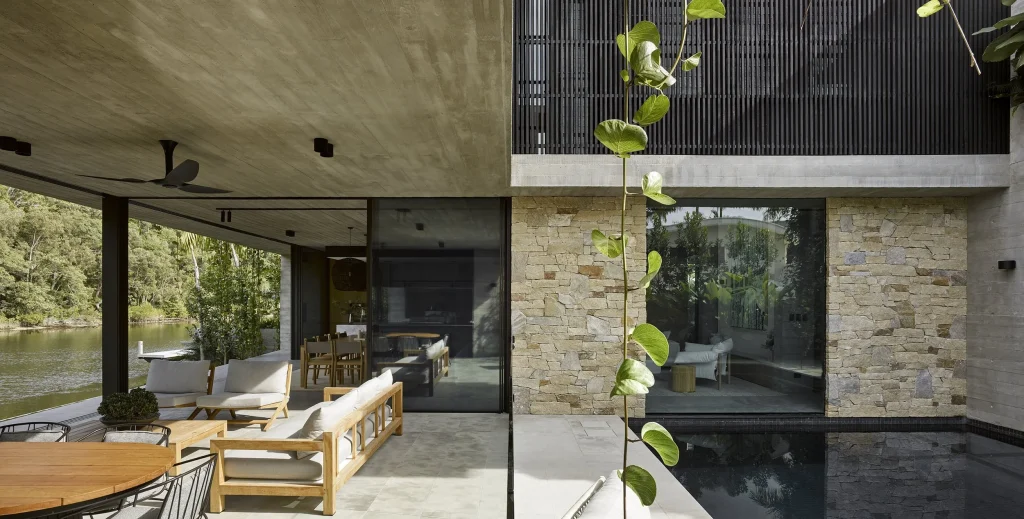
“Timelessness comes back to simple, robust and tactile materials. Things like concrete, natural stone, timber, steel and glass. These are materials that have been used forever, they weather beautifully, and they will continue to be revisited. I think a lot of great architecture still looks back to the modernist thinking of the ’50s and ’60s, or even earlier.

It’s really about combining that intellectual clarity with the practical needs of modern life, curated beautifully.”

As the conversation draws to a close, we turn to the projects that have defined his practice. Not as a list of achievements, but as milestones that reflect an evolving design philosophy.

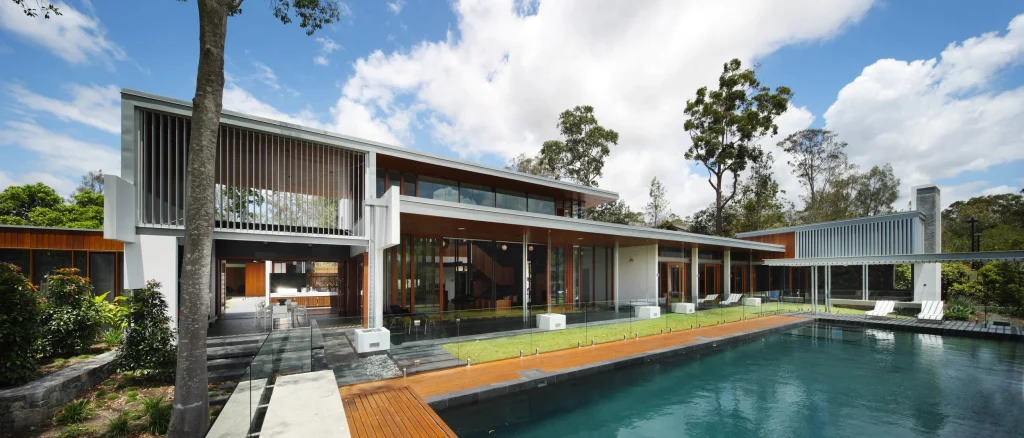
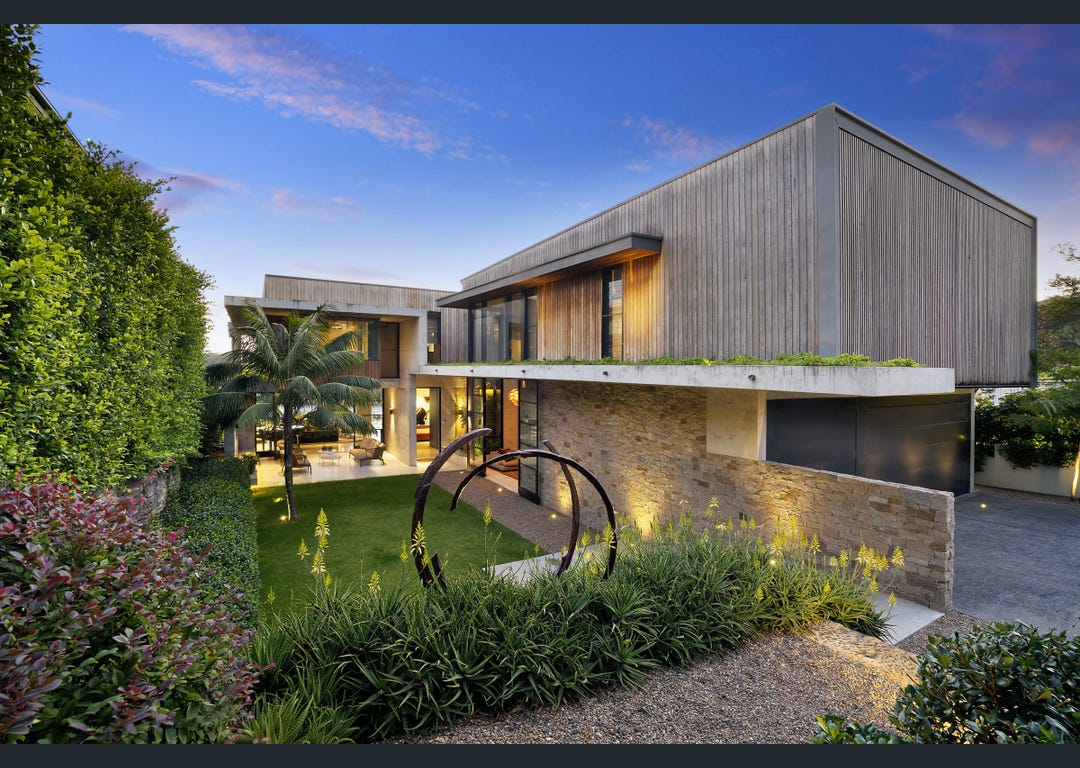
One Wybelenna is a contemporary home that references an original Robin Gibson cottage on the site built in the language of the 70s Californian modernists.

A project that still holds deep significance as the beginning of the studio’s work.

Iluka House was a milestone project that introduced the practice to the Sydney market and helped us “flex and spread our wings”, leading to major growth.

Commissioned by Craig and Ally Marsh; one of our most refined projects with strong landscape integration and collaboration. Not especially large, but highly considered and influential for the practice.

Finally, a look inside Shaun’s residence

His own home, stands as perhaps the most distilled expression of his thinking. A home shaped slowly, deliberately and without compromise.

“A home my wife and I are deeply proud of and believe will stand the test of time,” he says.

In many ways, it reflects the broader change running through this conversation. Away from performance. Away from visibility. And towards homes that are quieter, more grounded and designed to hold life, rather than perform it.

Written by Bailey Doyle 

Continue Reading

Studio Collective x Graya

paper mâché sat down with Liv McDonald, a designer whose eye for detail and passion for interiors are at the heart of Studio Collective’s ethos. Our conversation delved into the studio’s design philosophy, their most exciting projects, and the trends shaping the future of interior design.

Inside Composition Studio 

Claire, with her signature joie de vivre, drifts through it all, laughing, storytelling, matching new owners to old treasures as if it were always meant to be. She understands, perhaps better than anyone, that a piece of furniture is never just an object. It’s a memory, a secret, a patina of years and nights well-lived.
Like what you read?

Share this article with your followers.
Sign up to the newsletter

Be the first to know