



The rise of thoughtful wardrobes, the thrill of the find and why the future of fashion may already be hanging in someone else's closet.
There was a time when buying something new was the pinnacle of luxury. Crisp shopping bags, untouched fabric and the satisfaction of being the first to wear a piece were all part of the appeal. But luxury is starting to look a little different. The shift began around 2020, as the world slowed down during COVID most of us lost the access of buying new, and found the love for buying through Marketplace and second-hand platforms instead.
As fashion’s relationship with consumption evolves, a new generation of shoppers are embracing something once overlooked. Not because they have to, but because they want to. The beauty in borrowing your sisters wardrobe, discovering a vintage gem or finding a designer piece with a story has quietly reframed itself.
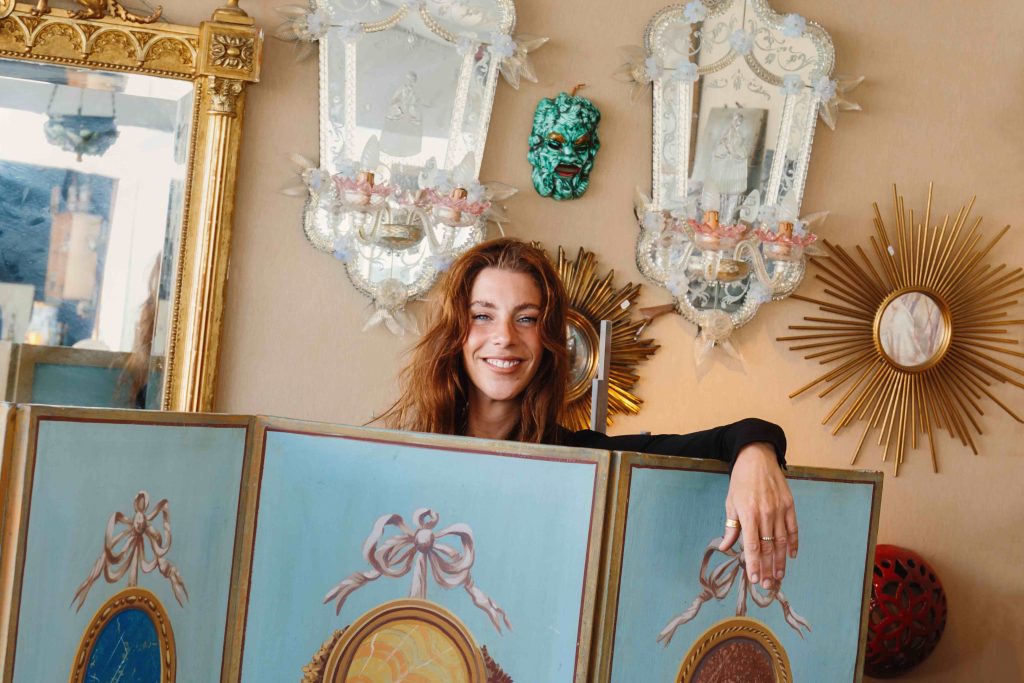
Few people have witnessed this shift more closely than Renee Chagoury, founder of Thrifter.

"I think every piece of clothing carries a story. It might be the dress you wore to your twenty first birthday, the outfit from your first date, or the jacket that travelled the world with you. Clothing becomes part of our memories."
It’s a simple thought, but one that reframes the way we see fashion. Rather than reaching the end of its life once we’re finished with it, a garment simply moves on to its next owner, collecting another story along the way.
That philosophy has become the foundation of Thrifter, a business built on the belief that the best wardrobes aren’t necessarily the newest.
Founded in 2024, Thrifter has reimagined the traditional thrift store, creating a community-led retail model where everyday wardrobes become curated collections and sellers keep 100 per cent of their sales.
More than just a place to shop, Thrifter represents a shift in the way fashion is consumed. Built on the belief that great style shouldn’t come at the expense of the planet, the brand champions circular fashion, making it easier for shoppers to buy, sell and extend the life of quality clothing while reducing textile waste. Through its rent-a-rack concept, Thrifter has transformed second-hand shopping into an experience that feels considered, curated and accessible.
Don’t mind us curating our thrifting vision board…
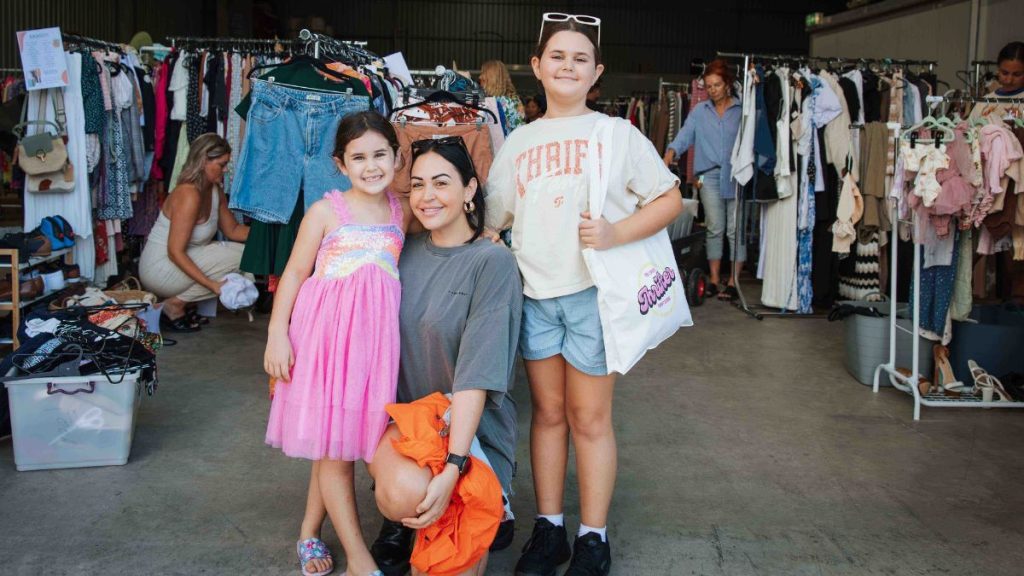
Walk through one of Ren’s stores and there is an unmistakable energy. Unlike traditional retail, nothing is guaranteed to be there tomorrow. Every day brings new arrivals, every rack belongs to someone different, and every visit offers the possibility of uncovering something unexpected. Every week, stopping in to see what piece is there to find you. Among finding your piece, you may come along a rack you are obsessed with and maybe you don’t want to shop but maybe you just found your new fashionable influence on social media that had a rack at Thrifter.
It’s less about shopping and more about discovery.
"There's a thrill that comes with thrifting that you simply don't get walking into a traditional retail store, every shopping trip feels like a treasure hunt."
That sense of discovery is changing the way Australians consume fashion.
People are asking more of the brands they buy from, questioning how garments are made and becoming increasingly aware of the impact clothing has long after it leaves the shop floor. Yet perhaps the biggest shift isn’t just environmental. It’s emotional.
Fashion is becoming less about ownership and more about appreciation. There is something undeniably satisfying about borrowing a piece from a friend or discovering a hidden gem in a thrift store. It carries a sense of history, individuality and intention that buying something brand new often cannot replicate.
"The future isn't about owning more. It's about making better use of what's already been produced"
Some of the most memorable moments inside Thrifter have little to do with labels or luxury.
Renee recalls a man named Ron, who arrived at the Noosa store with hundreds of garments that had belonged to his late wife. Together, the team helped find new homes for pieces that had once been deeply personal, allowing them to continue their journey instead of remaining untouched in storage.
"It reminded me that we're not just selling clothing," she says. "We're helping people move through different chapters of life, while allowing memories to continue through someone else's story."
Perhaps that’s why second hand fashion has shed its old stereotypes.
For Renee, the vision has always stretched beyond retail.
She hopes future generations grow up believing that shopping pre loved is simply the first choice, not the alternative. A world where extending the life of clothing feels entirely ordinary.
Because the most beautiful things are rarely defined by being brand new.
Often, they become more valuable with every story they carry.
Perhaps the best thing hanging in your wardrobe today is the one that belonged to someone else yesterday.
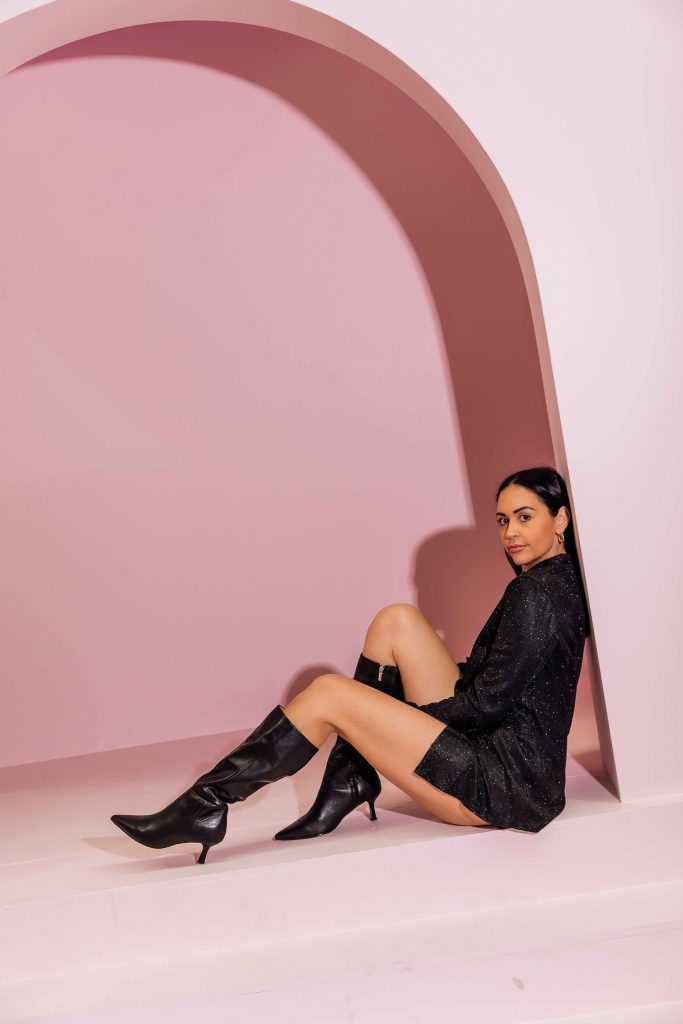
Today, Thrifter operates seven permanent studios across Australia, with locations in Noosa, Kawana, the Gold Coast, Mackay, Brunswick, Chapel Street and Collingwood, alongside a growing calendar of pop-up thrift markets hosted in some of the country’s most-loved hospitality venues. As demand for conscious consumption continues to grow, Thrifter is proving that the future of fashion isn’t about buying more, it’s about buying better.
Written by Bailey Doyle