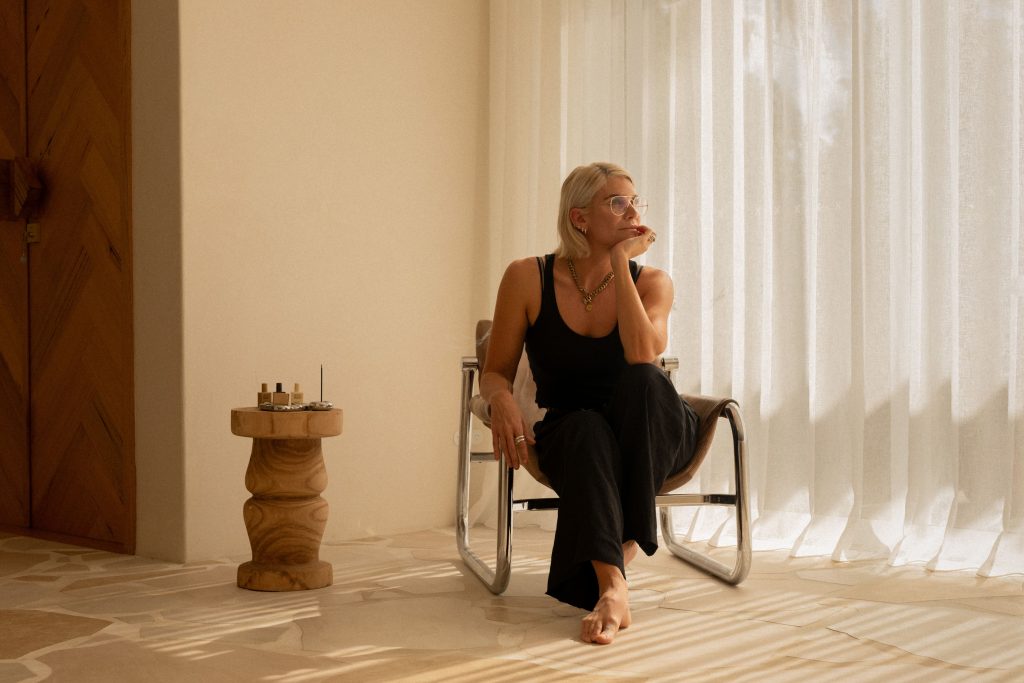
Framing the current landscape, Australian interior design is shifting into something softer and more assured. Across homes, hotels and hospitality spaces, there is a growing focus on immersive environments that feel authentic rather than performed.
There is also a more considered way of engaging with these spaces now. A sharper eye for detail, a stronger pull toward places that feel curated from the moment you arrive, where branding, atmosphere, flavour and design sit in dialogue rather than separation. The Australian Interior Design Awards 2026 shortlist and trends offer a clear reading of where design is heading next.
Australian Interior Design Awards
The Australian Interior Design Awards 2026 shortlist and trends offer a clear reading of where design is heading next.
Within this landscape, there is a closer read on where that confidence is landing. Seven primary categories shape the program, each revealing a different layer of how Australian design is evolving across residential, hospitality and retail spaces.
What is becoming increasingly evident is a shift in expectation and discernment. Designers are working within a more visually literate environment, where ideas are interrogated and intent carries weight. It naturally lifts the standard. Work that resolves too quickly or leans too safely tends to fall away, not for lack of talent, but because the industry itself is moving with greater clarity and conviction, particularly across hospitality and retail, where experience is everything.
“Across the Residential Decoration entries there is a clear shift towards authenticity over artifice. The strongest projects do not attempt to manufacture identity from a blank slate; instead, they work with what already existed – the client’s collections, memories and lived history. Overall, the idea of decoration is approached as careful curation rather than total reinvention.”
— Brahman Perera, Australian Interior Design Awards Jury Comment
Looking at this year’s shortlist, the conversation becomes more layered. These projects are not positioned as secondary outcomes, but as indicators of what is resonating now, and where thinking is already beginning to shift.
Inside the shortlist
The Australian Interior Design Awards sit quietly in the background of this shift, less as a moment of spectacle and more as a mirror to the industry itself. Peer judged and shaped by leading practitioners, they reflect a shared understanding of what is being valued in contemporary design.
Across submissions, there is a consistent language emerging. Projects speak to restraint, material clarity and atmosphere led thinking, where emphasis sits less on immediate visual impact and more on how a space is experienced over time.
The juror and entrant commentary becomes part of this broader reading, not as headline declarations, but as subtle signals of what is resonating across the field and what continues to surface in different forms.
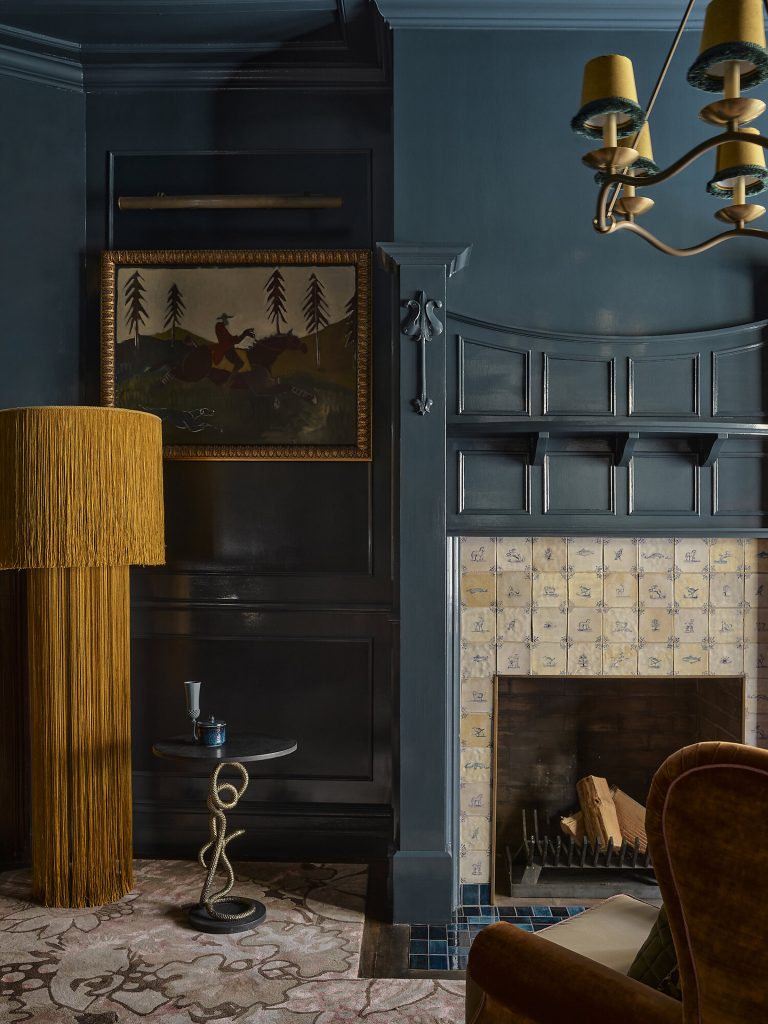
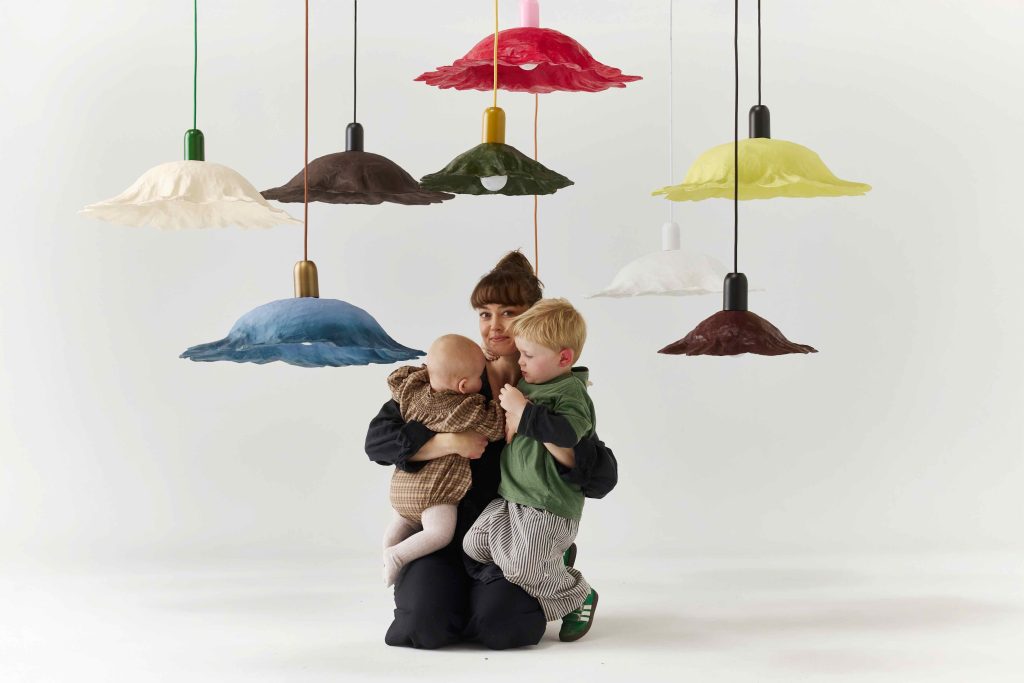
I am impressed by the rich and deliberate use of colour, often bold and confidently extended across walls and ceilings. In this year’s Residential Decoration category, there is a strong emphasis on using the work of Australian furniture designers, which have been thoughtfully layered with international classics. Oversized lamps and pendant lights anchoring rooms is a common theme that establishes tone and reinforces the interior’s narrative. Paint being used boldly is perhaps an innovative reaction to escalating construction costs.
— Eva-Marie Prineas, Australian Interior Design Awards Jury Comment
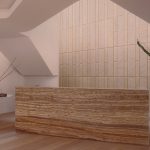
We spoke with Casey Drummond from Studio Collective, shortlisted for the second year running, about their Brisbane Plastic and Cosmetic Surgery project. It reimagines the medical environment, moving beyond clinical sterility toward a calm, hotel like experience where wellbeing and function sit in balance, resulting in a space that feels considered, welcoming and quietly refined.
Q1. What were the first moves you made to shift it away from a typical medical environment, if that was the intention?
We approached it more like a private space than a clinic. The brief was clear, no one should walk in and think “clinic”. So we flipped the usual approach and started with how we wanted people to feel.
Calm, grounded, and completely at ease.
That meant removing the obvious clinical cues early. No harsh lighting, no cold finishes, no sense of sterility. Instead, we introduced warmth through layered materials, softer forms and more considered lighting. It’s subtle, but it completely changes the experience, you walk in and exhale, rather than brace yourself.
Q2. Were there any constraints, spatial, regulatory, or otherwise, that ended up influencing the design in a positive or unexpected way?
Healthcare comes with a lot of rules, but instead of fighting them, we used them to refine the design.
Every material had to earn its place, not just look good, but perform. That pushed us toward a more curated palette and more resolved detailing. Acoustic requirements also led to some of the more textural elements in the space, which ended up adding depth rather than feeling like a compromise.
In a way, the constraints made the design sharper.
Q3. What did you deliberately choose not to include in the space?
Anything that screamed “clinic”.
We avoided harsh lighting, overly white finishes and visible clutter. There was also a conscious decision not to over-design it. It’s quite restrained.
A lot of the functional elements are there, they just don’t announce themselves. They’re integrated so the space feels calm and considered, not technical.
Q4. Projects like this suggest a shift in how these environments are approached. How do you see the
design of cosmetic, surgical and medical spaces evolving from here?
It’s becoming more human.
People don’t want clinical, they want to feel comfortable, calm, even a bit indulged. There’s a shift toward spaces that feel closer to hospitality or wellness than traditional healthcare.
I think we’ll see more natural materials, softer lighting and a stronger emotional layer. Spaces that
people want to be in, not just have to be.
What’s Next for Brisbane?
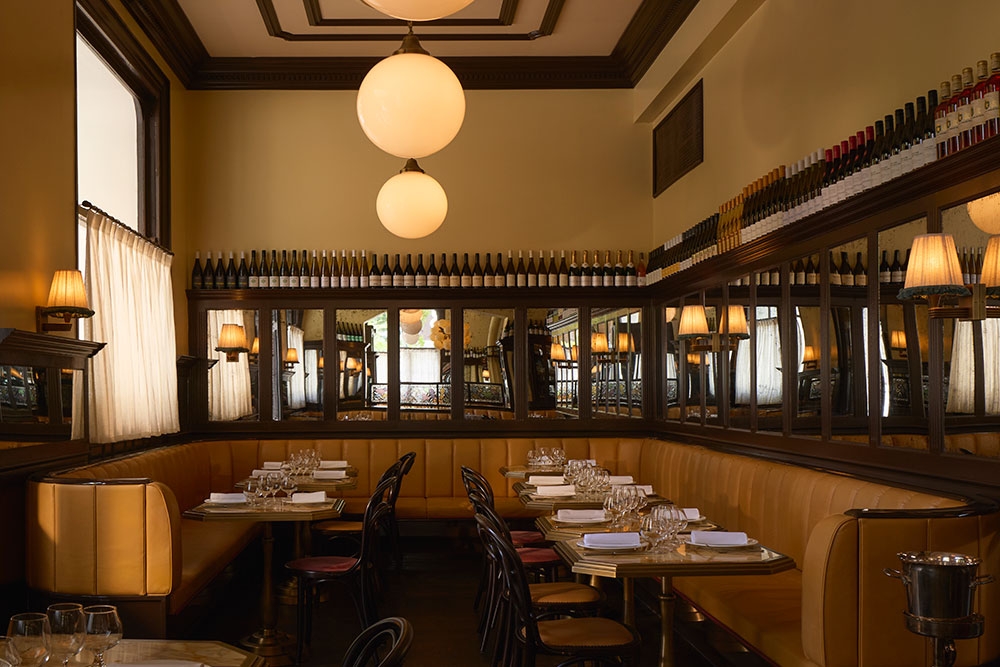
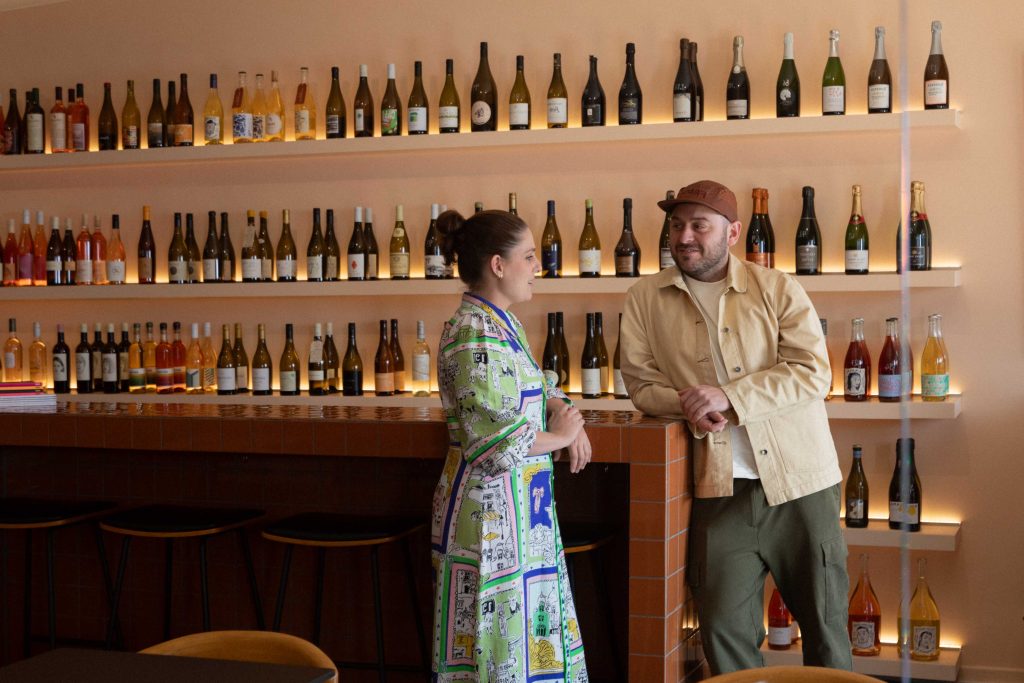
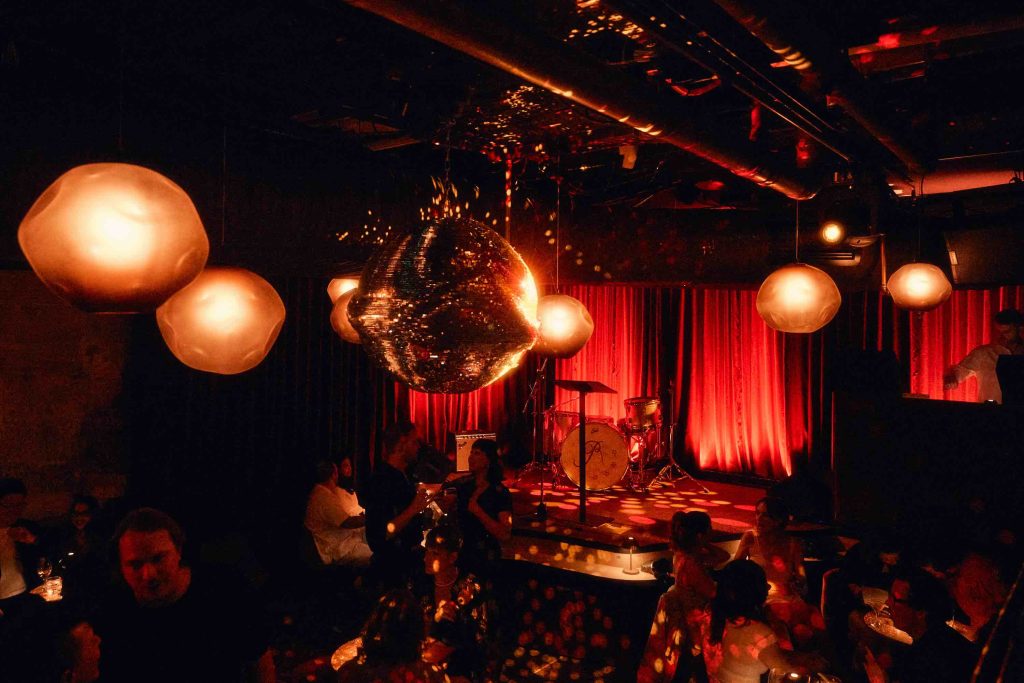
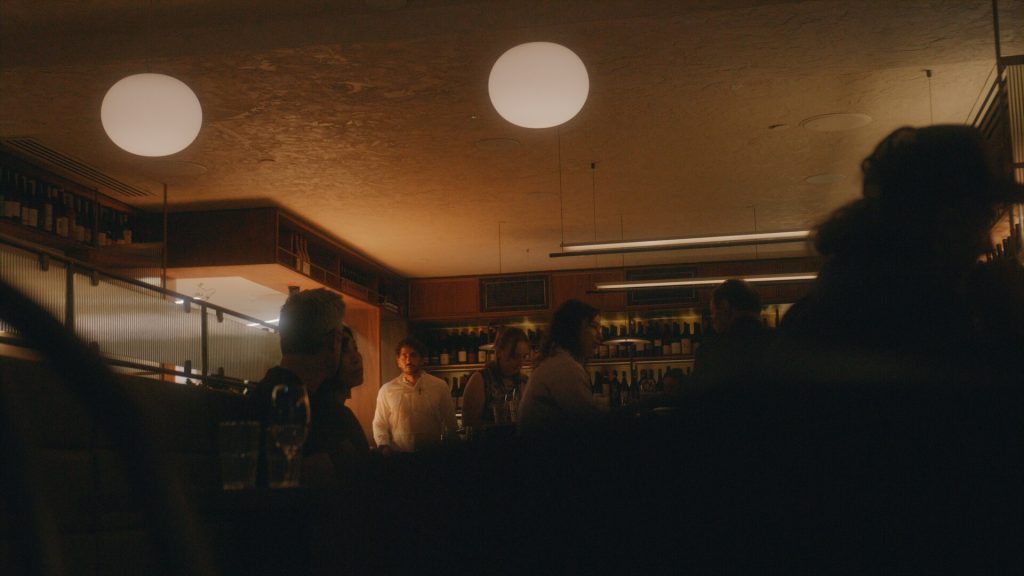
As this softer, more assured design language continues to take hold, it’s not only being recognised through awards, but felt in the spaces opening their doors right now. In Brisbane’s CBD, The French Exit offers a timely expression of this shift. Set within a heritage corner on Mary Street, the space draws on the romance of the Parisian bistro, reinterpreted with a sense of warmth, intimacy and ease that feels distinctly local.
Designed by Tamsin Johnson, the venue balances history with a quieter, more contemporary sensibility, where materiality and mood take precedence over statement.
It’s a reminder that the direction shaping Australian interiors is not just conceptual or awarded, but already being lived in, one considered space at a time.