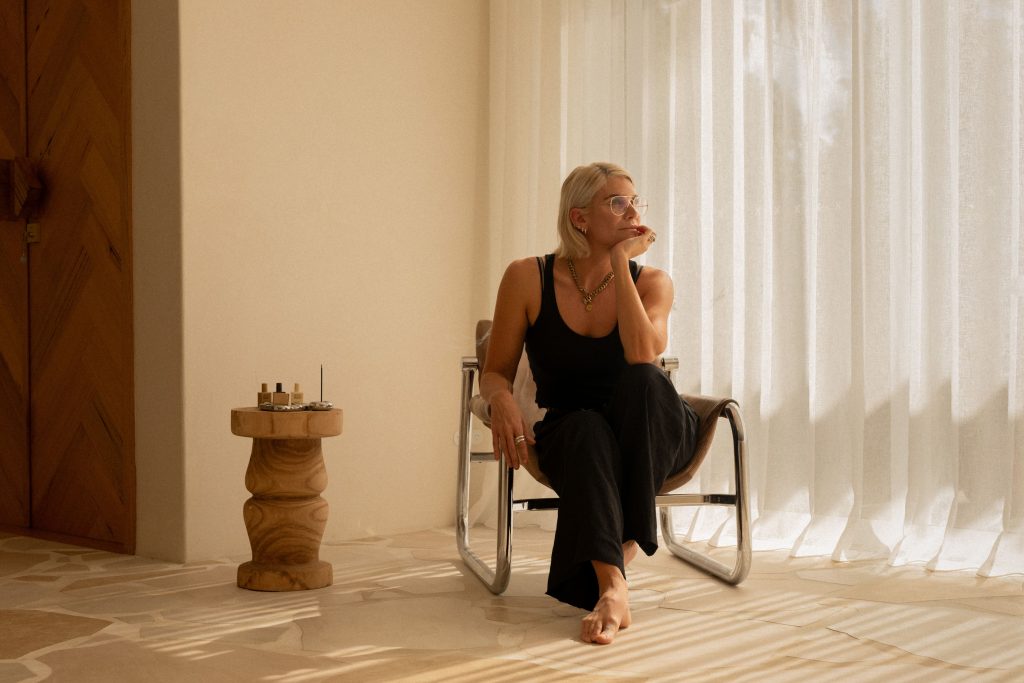




What Happens When You Go Antiquing in the South of France With an Interior Designer?
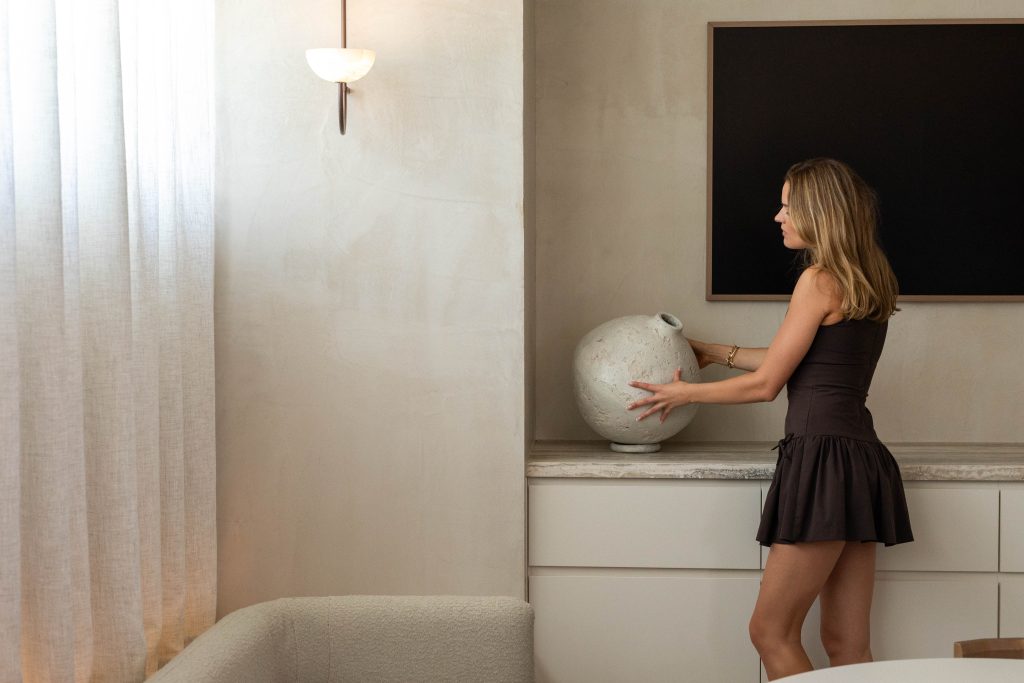
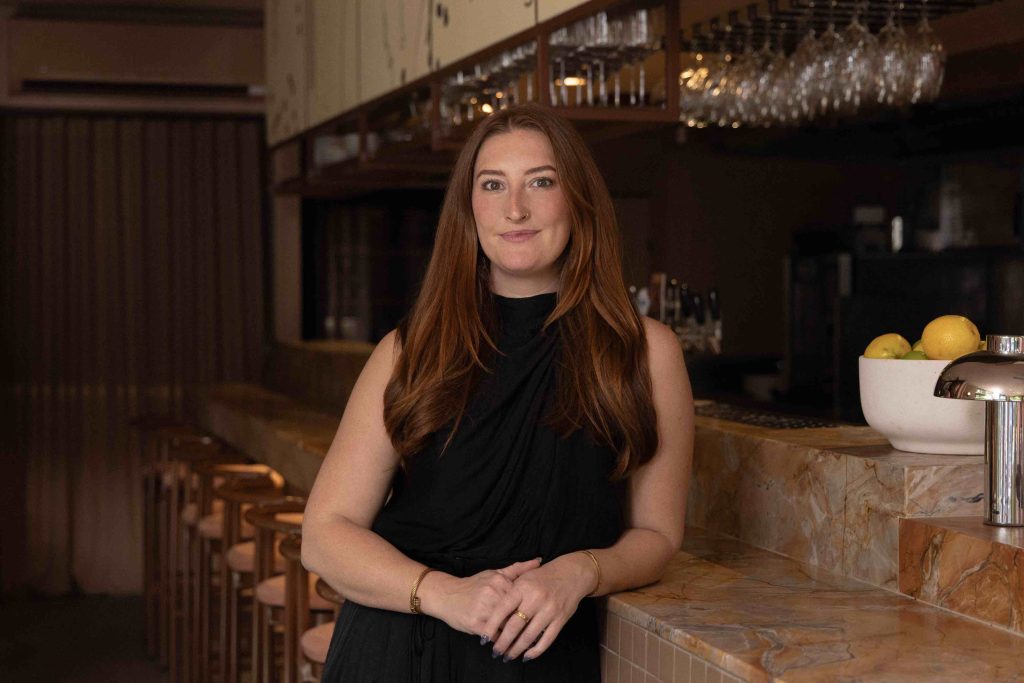
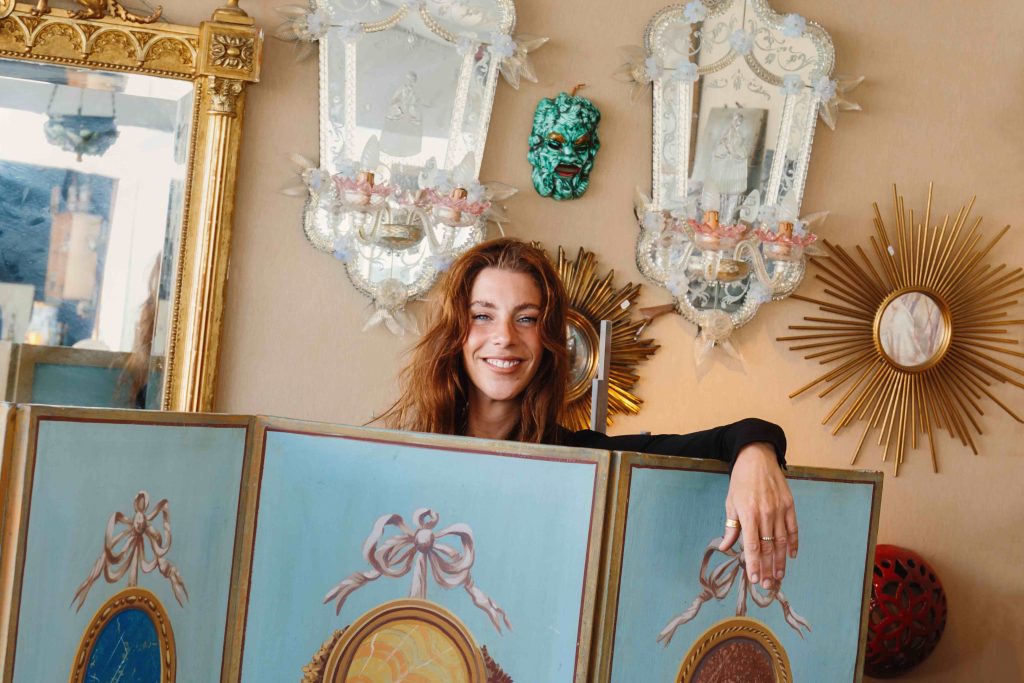
Claire Perini, founder of Composition Studio, has spent years travelling in search of furniture, objects and decorative pieces with history, character and a sense of place, building the layered interiors that have become central to her work.
Her approach is rooted in collecting slowly, looking beyond what is immediately obvious and finding pieces that bring something unexpected to a space.
This September, she is taking that approach to France, inviting a small group to join her on a sourcing journey through Paris and the South of France.
From flea markets and vide greniers to private dealers, brocantes and antique villages, the itinerary follows the places, people and objects that make this kind of sourcing so compelling.
The idea is not simply to find beautiful things. It is to learn how to look for them with someone who does this for a living.
“The most meaningful interiors are assembled slowly, piece by piece, with memory and feeling,” says Claire. “This tour is about learning how to recognise soul, history and patina, and how to bring those elements home in a way that feels deeply personal.”
Before the trip begins, each guest will have a private consultation with Claire to discuss their home, aesthetic direction and what they hope to find. From there, the sourcing becomes personal, with the idea that the pieces discovered along the way will eventually find their place in a home of their own.
To me, it sounds a little like a treasure hunt.
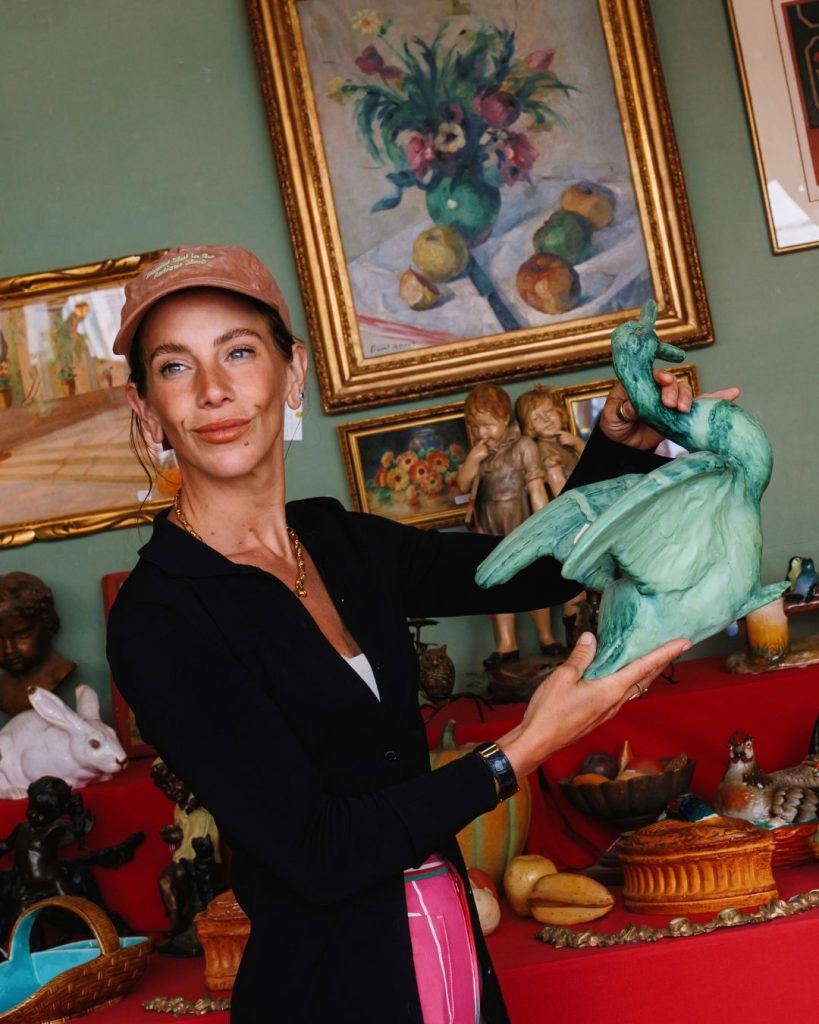
Start with Paris
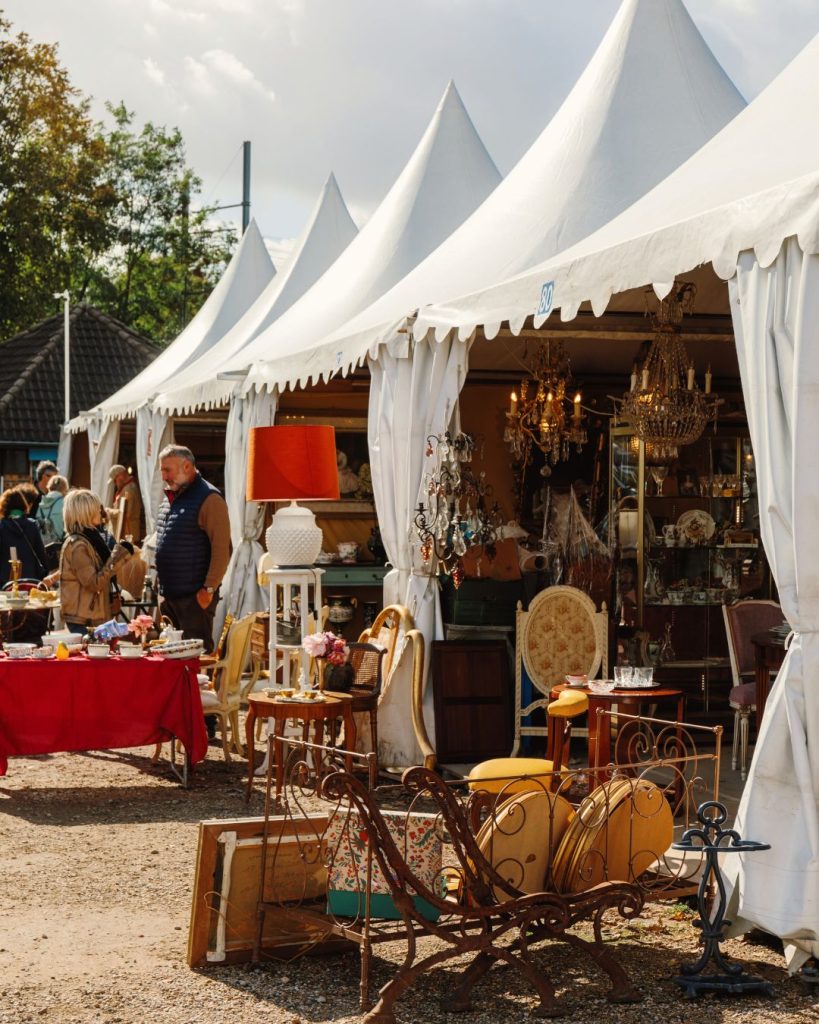
The first few days unfold in Paris, beginning with an early train journey east of the city. Breakfast comes in the form of a picnic basket filled with Parisian treats and fresh coffee or tea, before arriving at Foire du Château as the market opens at 10am.
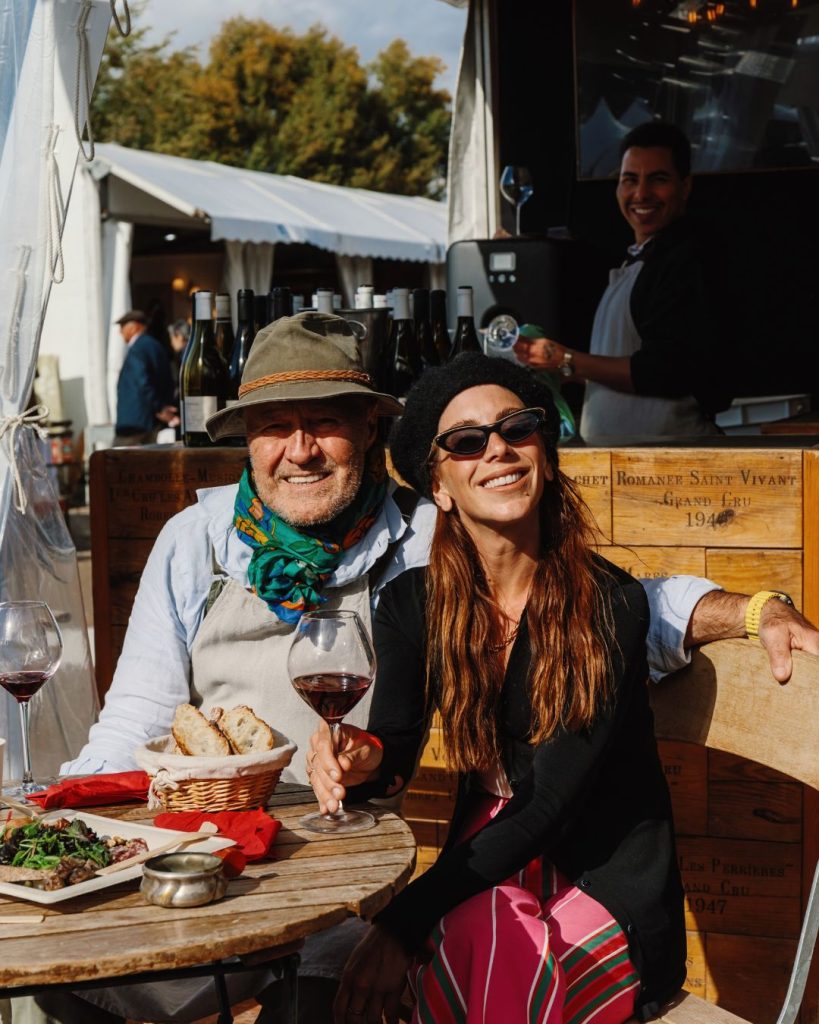
Held beneath medieval-style tents, the 111th edition brings together around 300 professional dealers from across Europe, with more than 30,000 visitors making their way through the fair each year. For Claire, it is one of the places to discover unique furnishings and decor, with a wonderfully unpredictable mix of finds spanning decades and centuries.
A morning might uncover 1970s Italian lighting beside 15th-century French doors, with furniture, hardware, art and objects filling the stalls in between. Come lunchtime, the group will stop within the market for French cuisine and local wine, before returning to the search for the afternoon.
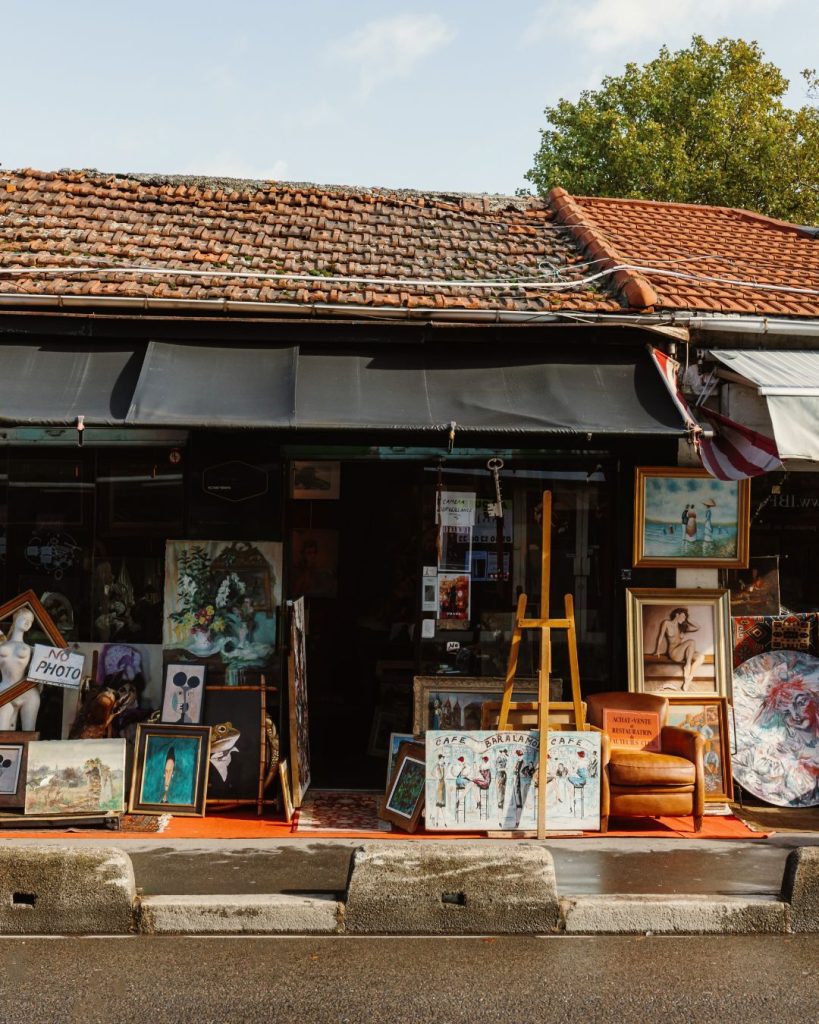
The following day brings Les Puces Saint-Ouen, the great Paris flea market where the Composition team will lead guests through three of its iconic markets. Furniture, lighting and bric-a-brac span an extensive mix of eras and styles, making it the sort of place where one stall can lead to another, and another, with no shortage of things to pause over.
There is also time for the smaller, more transient side of Parisian sourcing, with vide greniers and brocantes offering haberdashery, homewares, crockery and cutlery. These are the places where the search becomes wonderfully unpredictable, where something peculiar or entirely unexpected might emerge from among the everyday.
Two days in, and the hunt is already well underway.
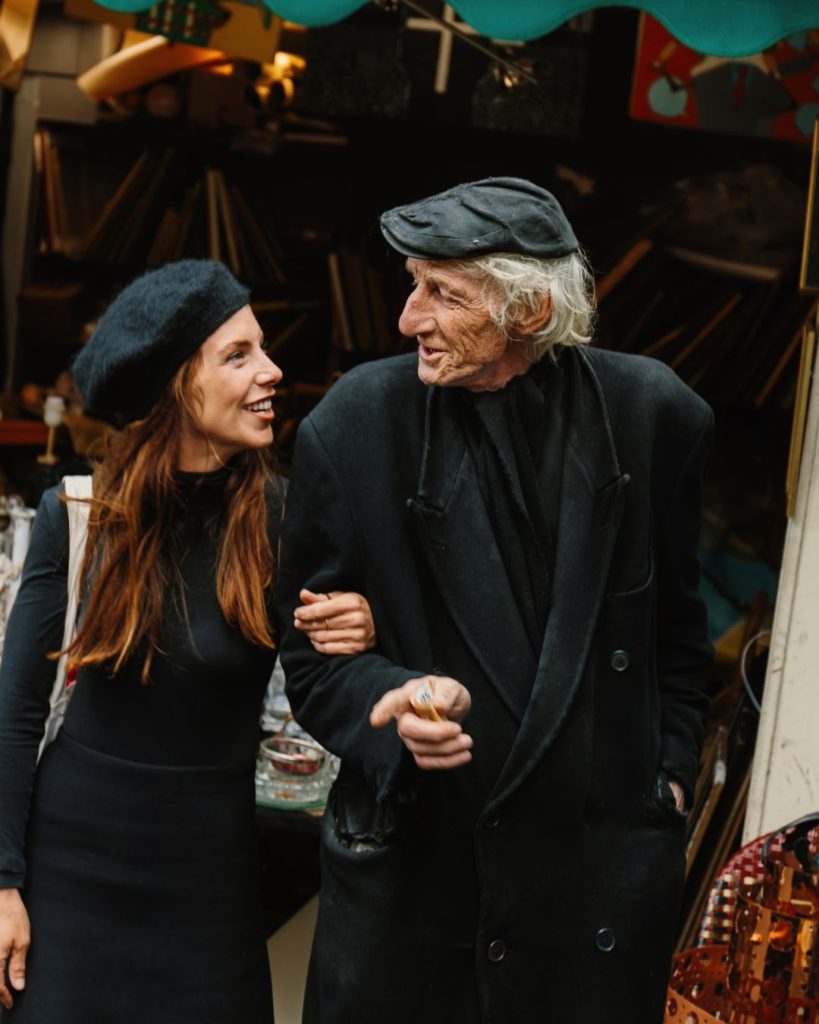
Into Provence
Before leaving Paris, there is one final early-morning search for those willing to rise early. Then, by midday, it is time to leave the city behind.
The group boards the TGV trains to Avignon with a picnic basket packed with meats, cheese and wine from the South of France, arriving in the afternoon before travelling by car into the countryside.
For the next five days, a private château becomes home base. Set in the heart of the South of France, with gardens, a pool and private rooms, it becomes part of the experience itself. Locally sourced food is prepared by a private chef, with long dinners back at the château after days spent exploring the region.
From here, the sourcing takes on a different rhythm.
Marseille brings a moodier, more urban energy, with the search turning towards 20th-century design, industrial pieces, Mediterranean modernism, vintage lighting, art and rare objects. There are unexpected influences from Italy, North Africa and the South of France, with the focus less on classic Provençal antiques and more on pieces with character and edge.
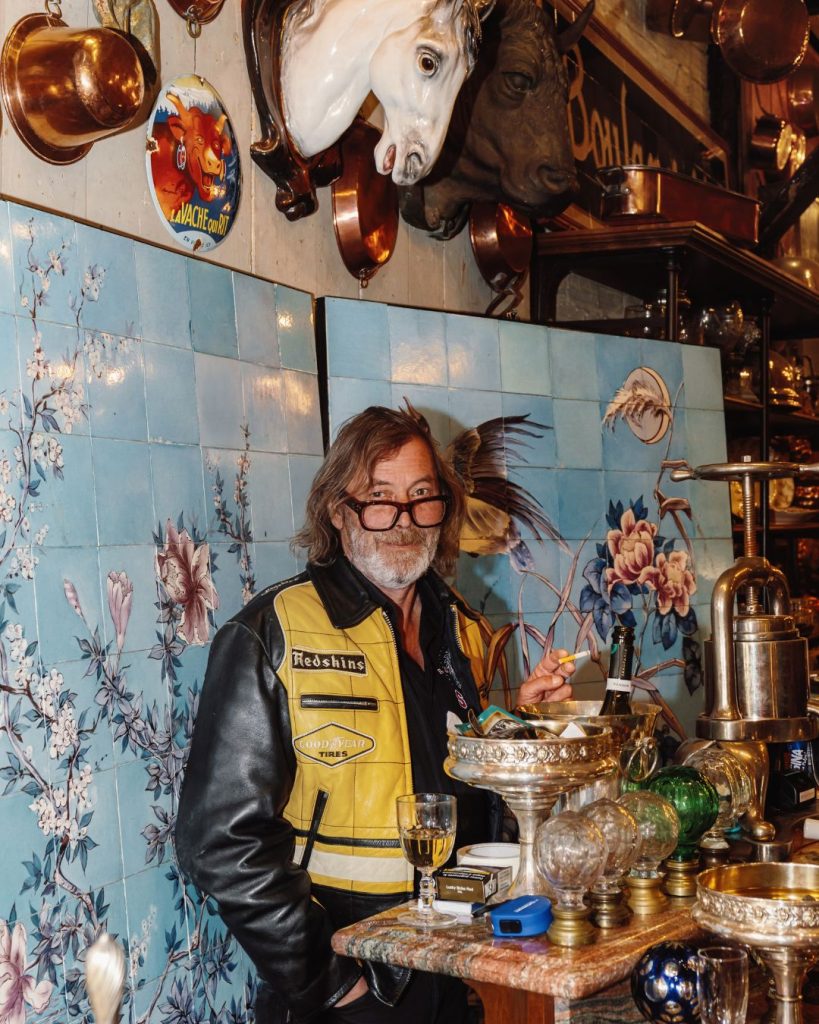
The day also includes a private visit to Marseille’s oldest hardware store before a long lunch. It is a small detail, but one that says a lot about the way Claire approaches sourcing. The interesting things are not always found in the places you expect.
Further into the countryside, the group will wind between brocantes, hidden depots and roadside antiquaires, moving slowly between villages where every stop holds the possibility of an unexpected find. Dusty warehouses are filled with forgotten furniture, while market tables are layered with old linens, ceramics, lighting and curious decorative objects.
It is the quieter side of sourcing, where the best pieces are often found far from the showroom floor.
Leave room for the unexpected
One day is deliberately left open.
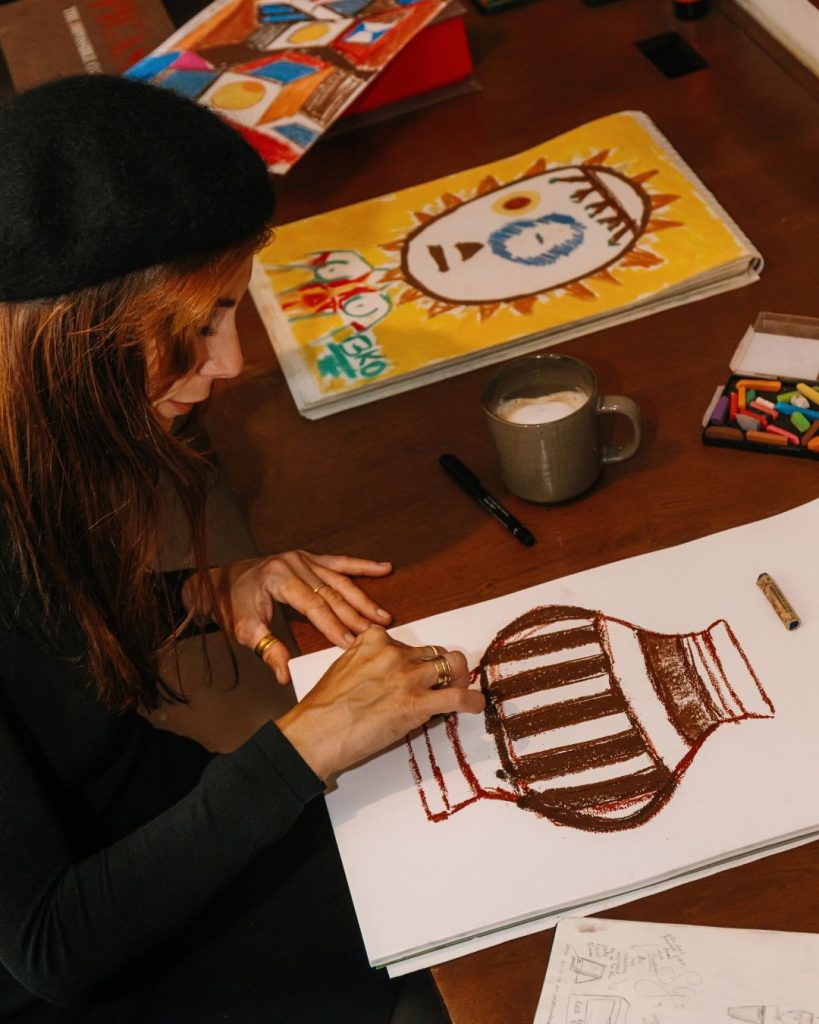
There is no fixed route, allowing guests to revisit a dealer, follow a private introduction or simply spend more time exploring. The day also creates space for sketching, designing, conversation and visual research, absorbing the landscapes, objects and ideas encountered throughout the trip.
It feels fitting for a trip built around collecting. Some of the best discoveries are the ones that cannot be planned.
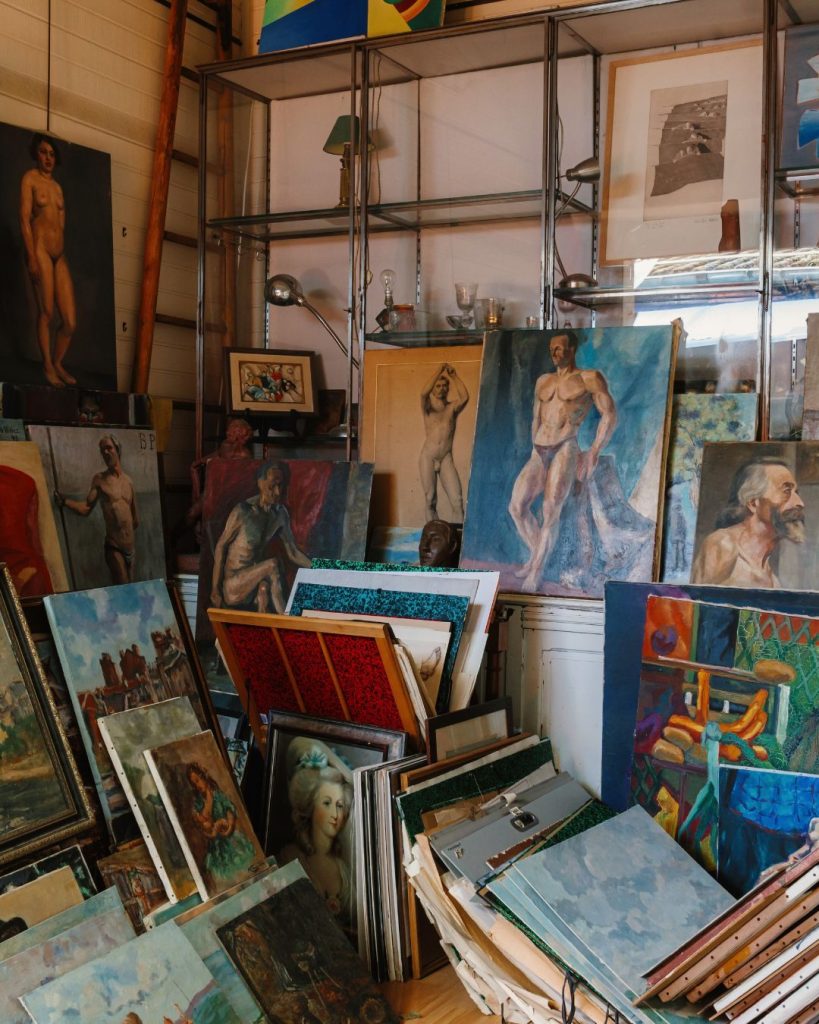
L’Isle-sur-la-Sorgue
The final stop is L’Isle-sur-la-Sorgue, one of Europe’s most fabulous antique towns.
Behind its quiet stone facades are sprawling warehouses and riverside arcades filled with everything from 18th-century furniture and rustic Provençal pieces to Italian lighting, mirrors, ceramics and strange decorative treasures.
It feels less like shopping and more like wandering through the private collections of impossibly chic dealers.
For guests who choose to extend their stay, the experience becomes even more closely tied to Composition’s own work. Over three additional days, Claire and the team will source for upcoming collections and client projects, moving between antique villages, private dealers, warehouses and brocantes while guests can observe how pieces are selected,and layered for interiors and styling.
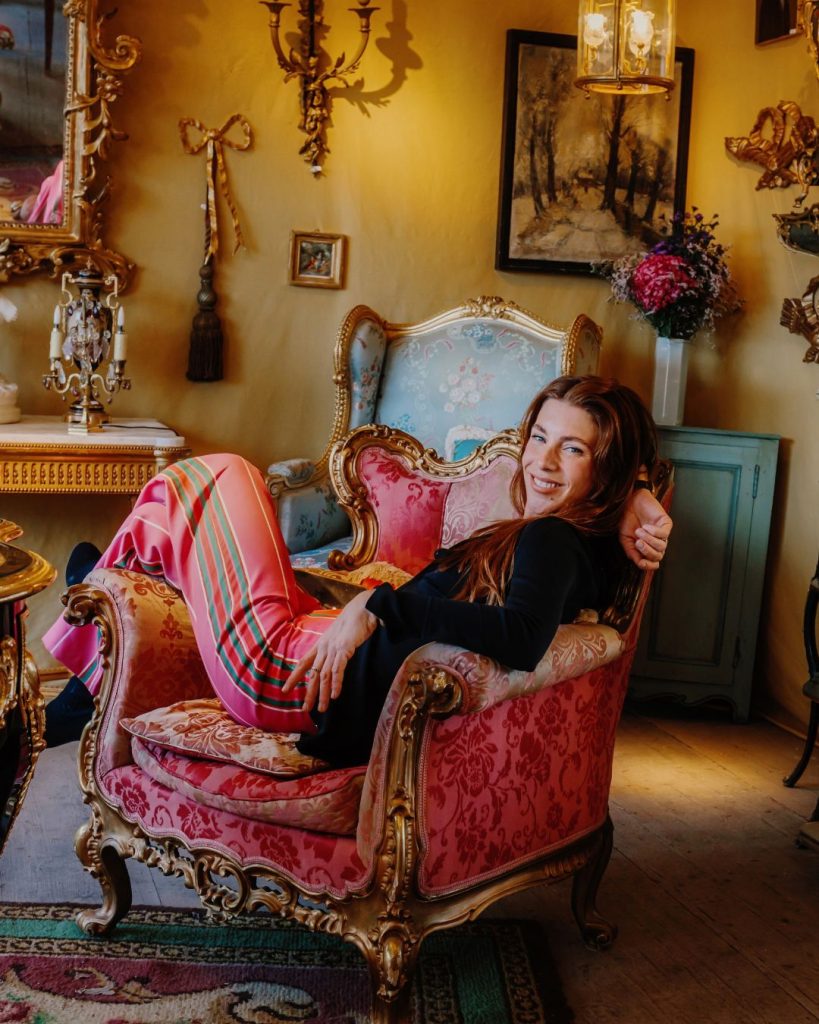
Alongside the sourcing, there are long lunches, local produce, private dinners and aperitifs, with food and conviviality woven into the rhythm of the week. There is also time for creative conversations, sketching and visual research, making the experience as much about inspiration as acquisition.
Ultimately, the most interesting part may not be what you bring home, but what you learn about the things you find along the way.
Who made it. Where it came from. Who owned it before you. The dealer who spent years searching for it. The reason Claire stopped at that particular stall.
As she has said of her own approach to collecting, “My ideal is buying in a little town from the original seller, so I don’t lose the story.”
We’ll be following along from home, and look forward to sharing more of the journey with our readers when Claire returns. The stories from the road, the places she discovered, the finds that made it home and, of course, the faces who joined her along the way.
Once you know the story behind a piece, you never quite see it in the same way again.