Familiar Strangers: The Art and Mind of Stanislas Piechaczek

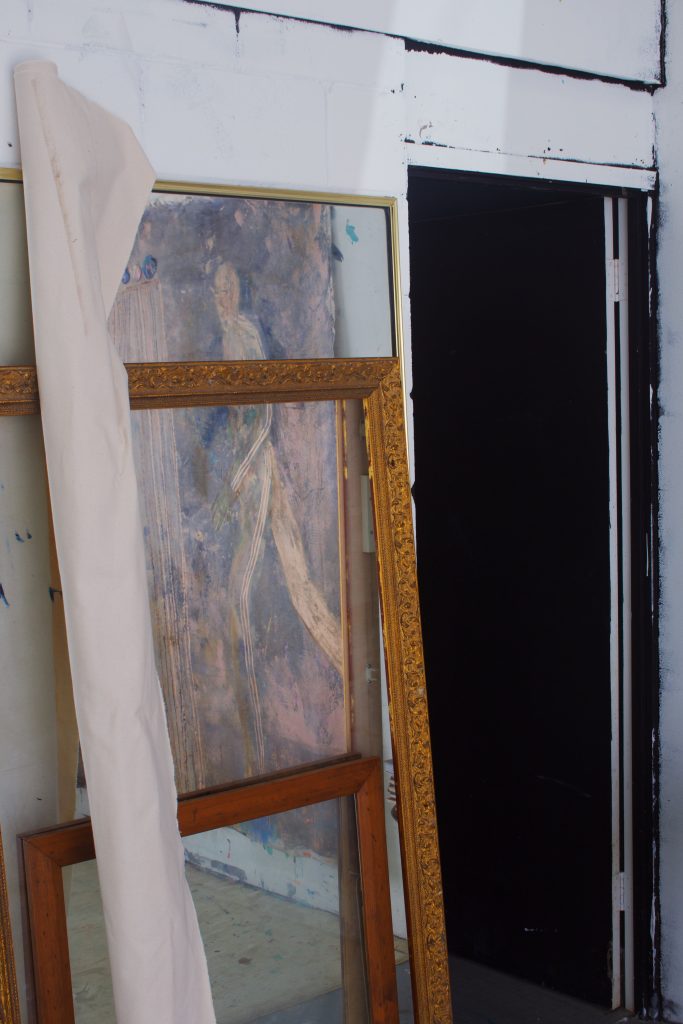
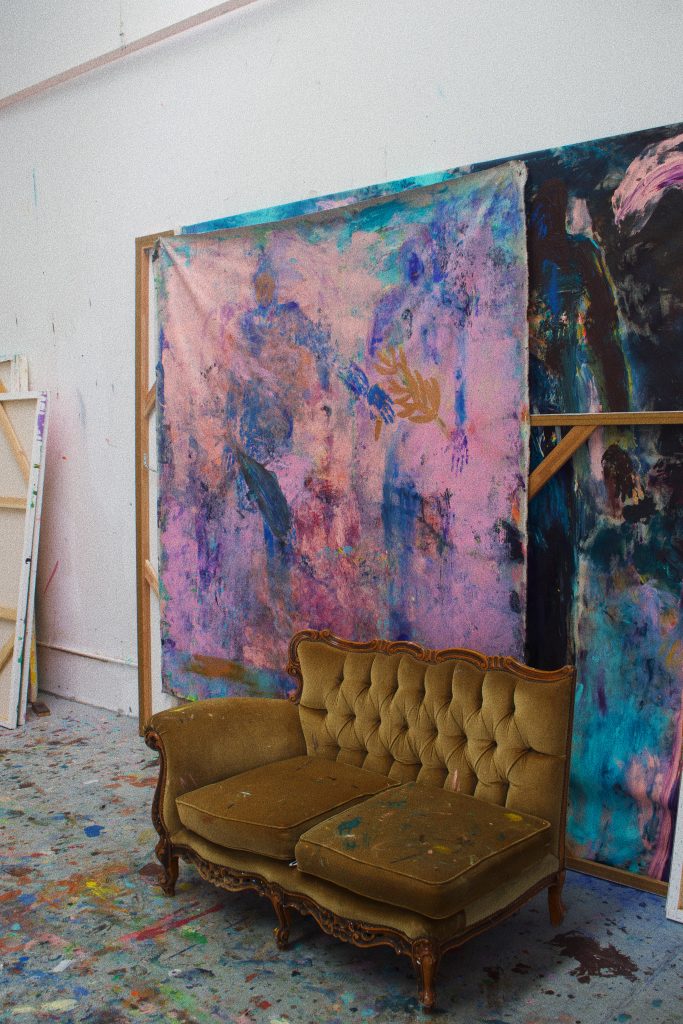
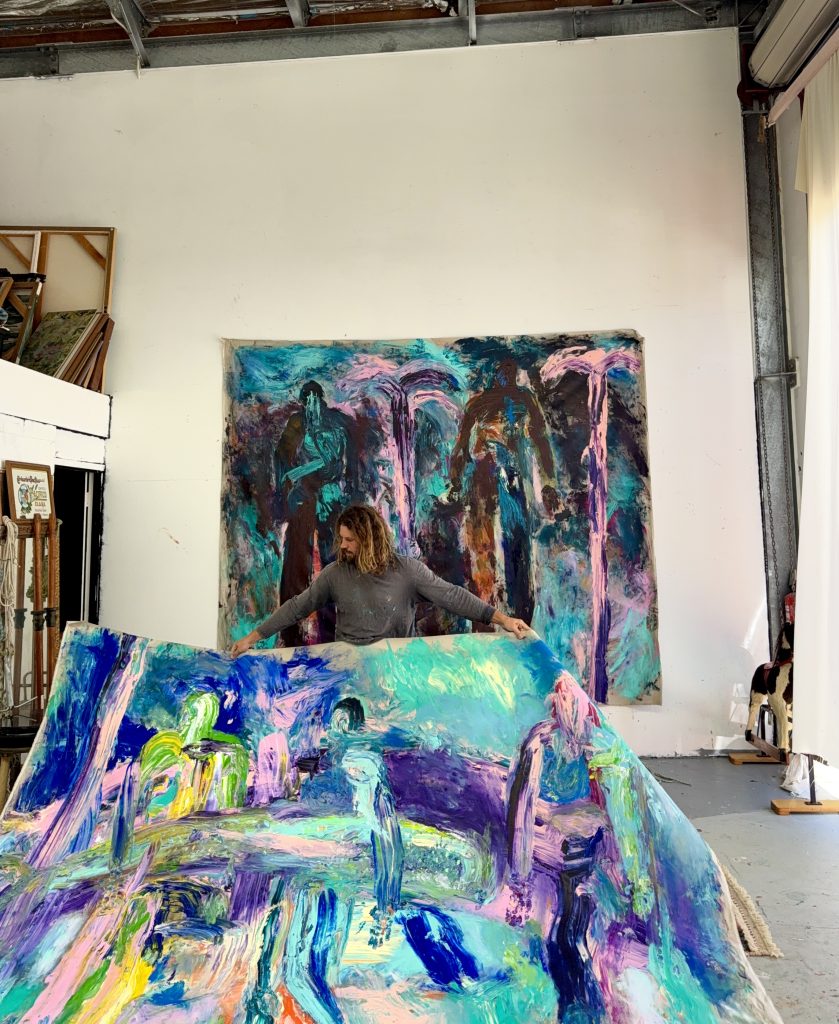
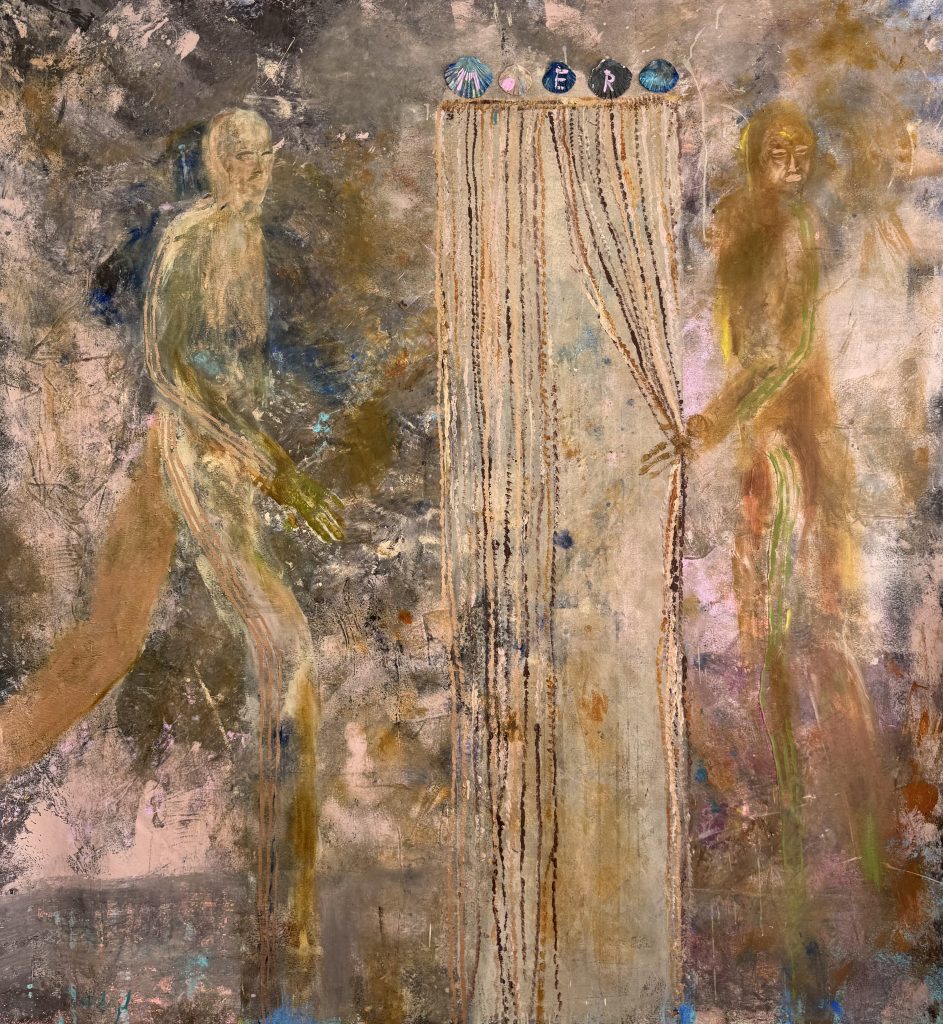
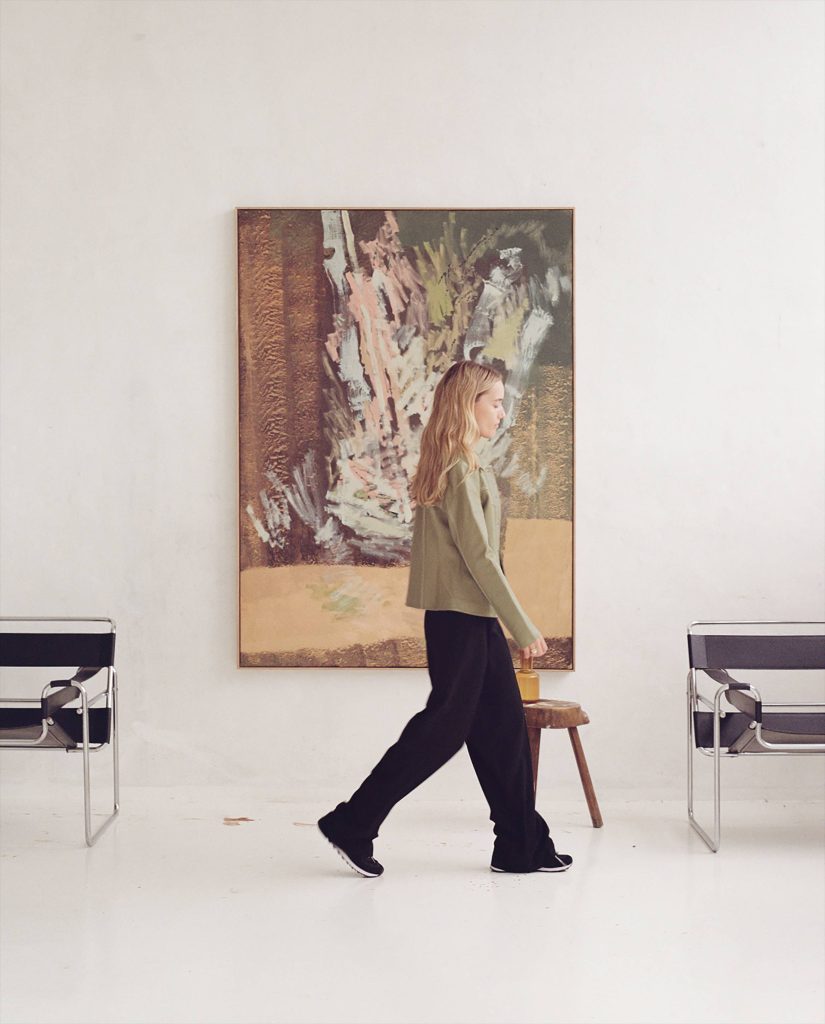
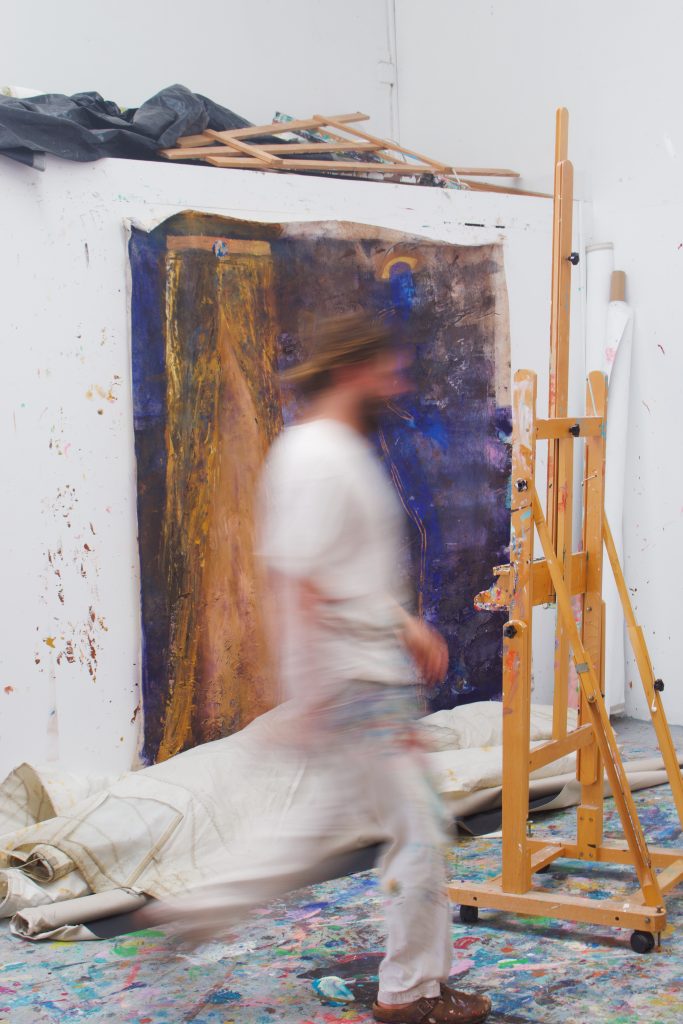
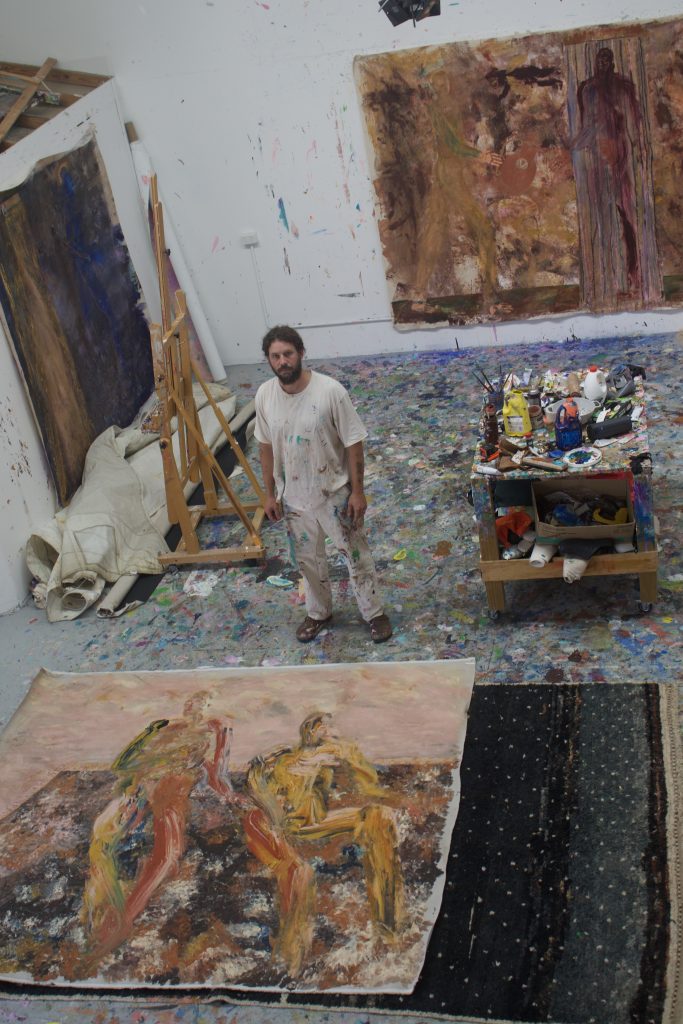
Paint stains the floor, canvases lean against the walls and sunlight drifts across works in progress. His contemporary figurative paintings capture life as it feels rather than as it appears, a quiet collection of fleeting gestures, shifting energies and the subtle rhythm of ordinary moments as people move through their days.

We sat down with Stanislas to explore the inspiration behind his work: where his mind finds ideas, how textures settle into place and which people spark the imagination that transforms them into muses. 

What does a day in an artist’s mind look like when a painting takes shape?

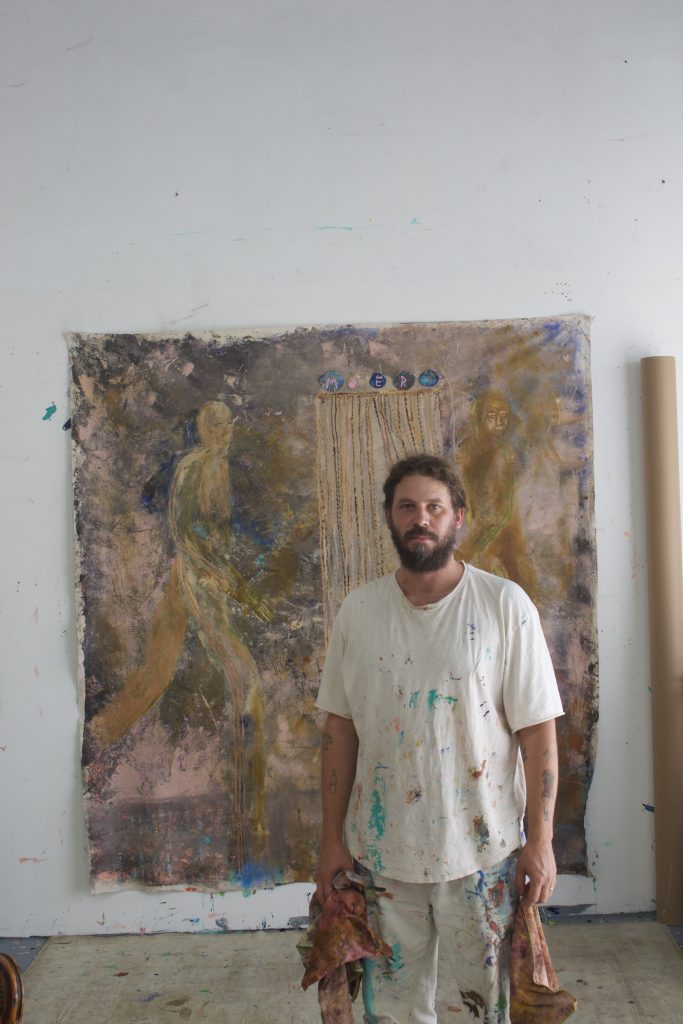
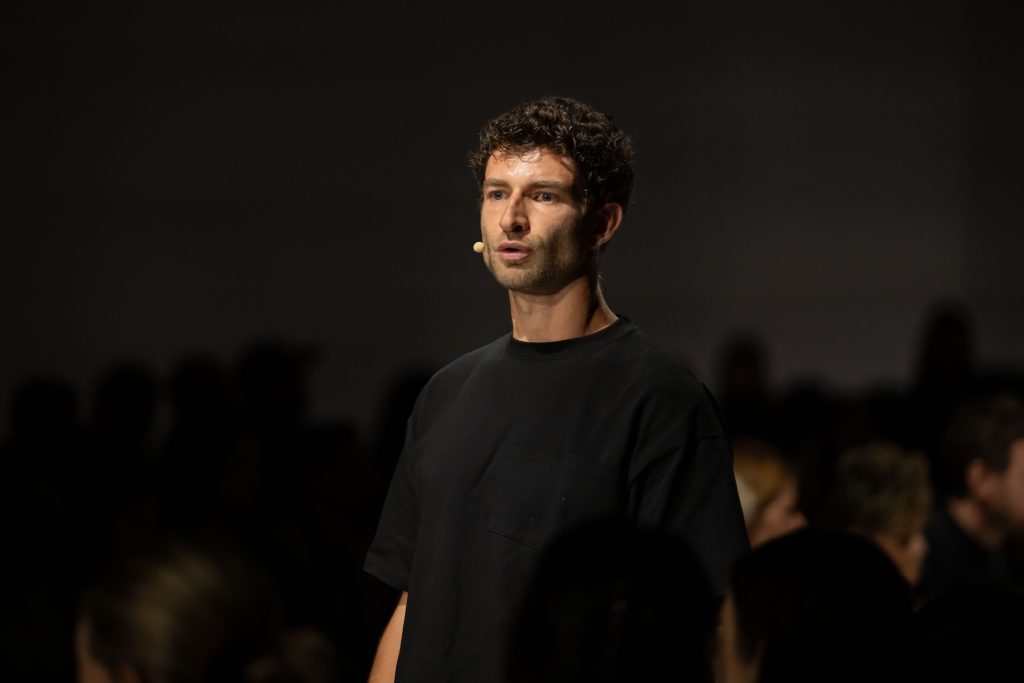
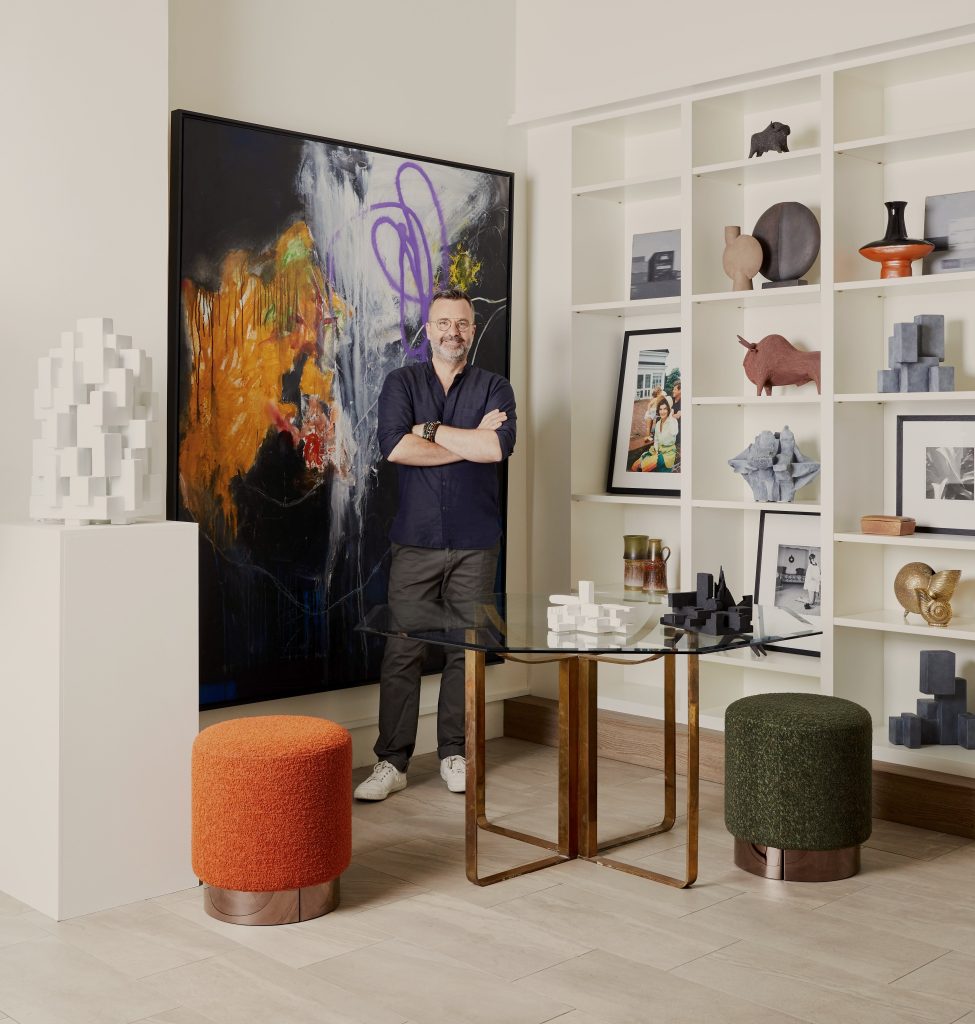
Photography by Kristian Hawker

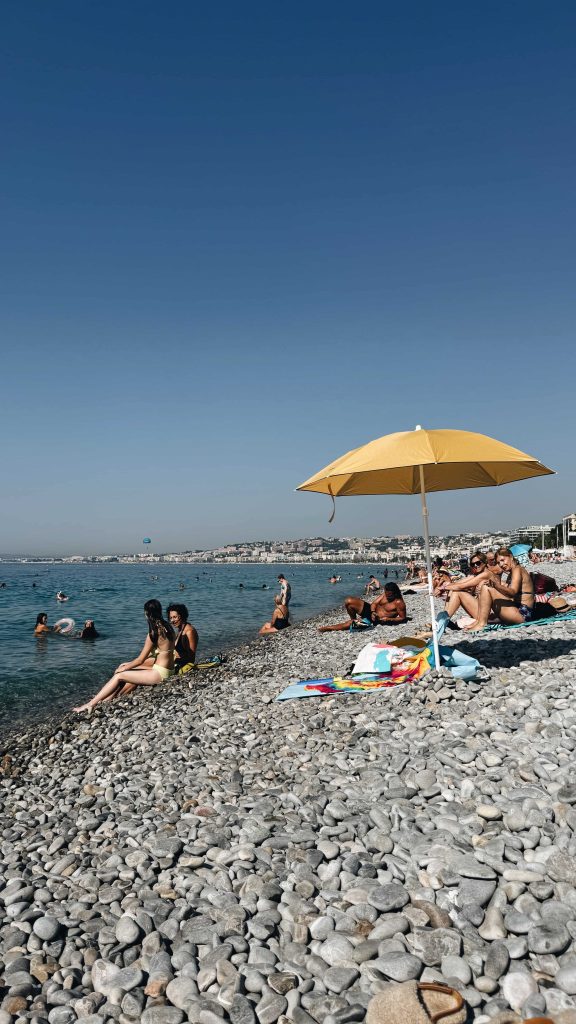
 Stanislas, now based in Queensland, was born in Issoudun in central France and raised on the Atlantic coast in Biarritz. The sea and light were his constant companions. His mother painted and his father encouraged careful observation, shaping a sensibility attuned to subtle moods, fleeting gestures and the quiet poetry of everyday life.

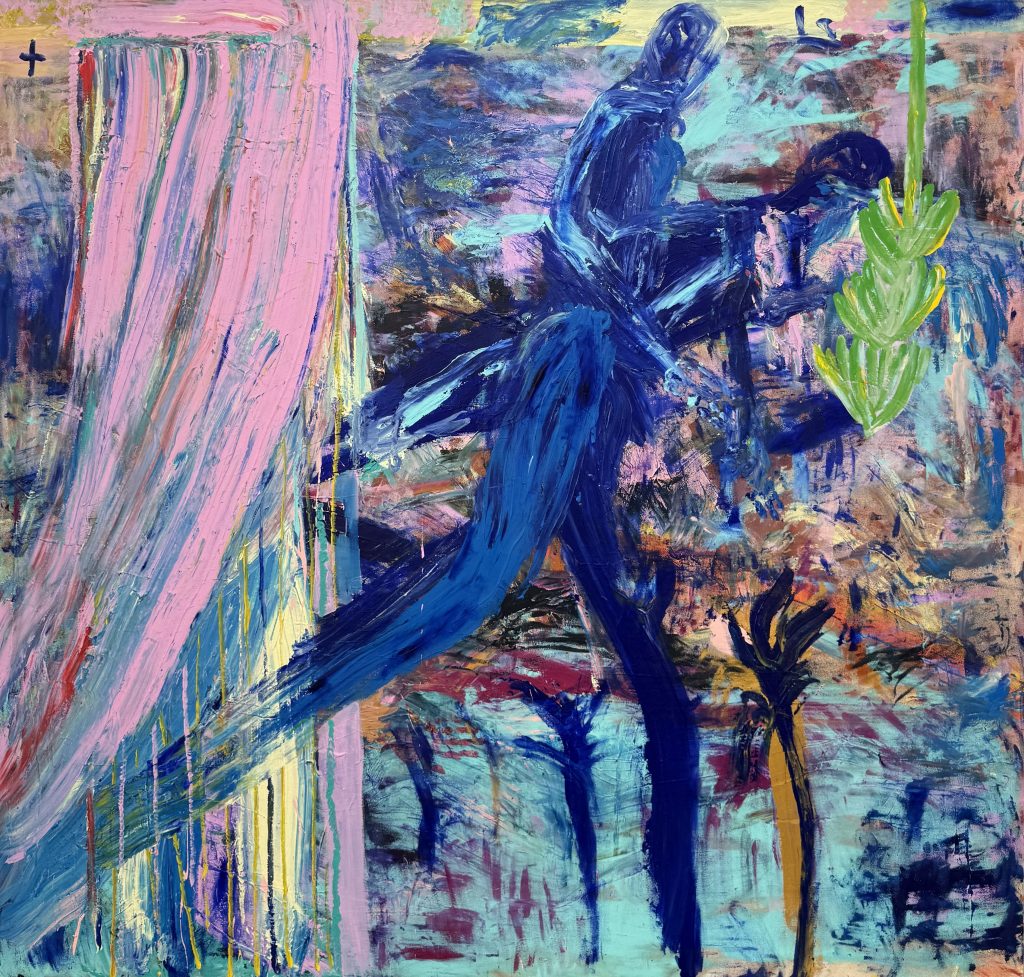
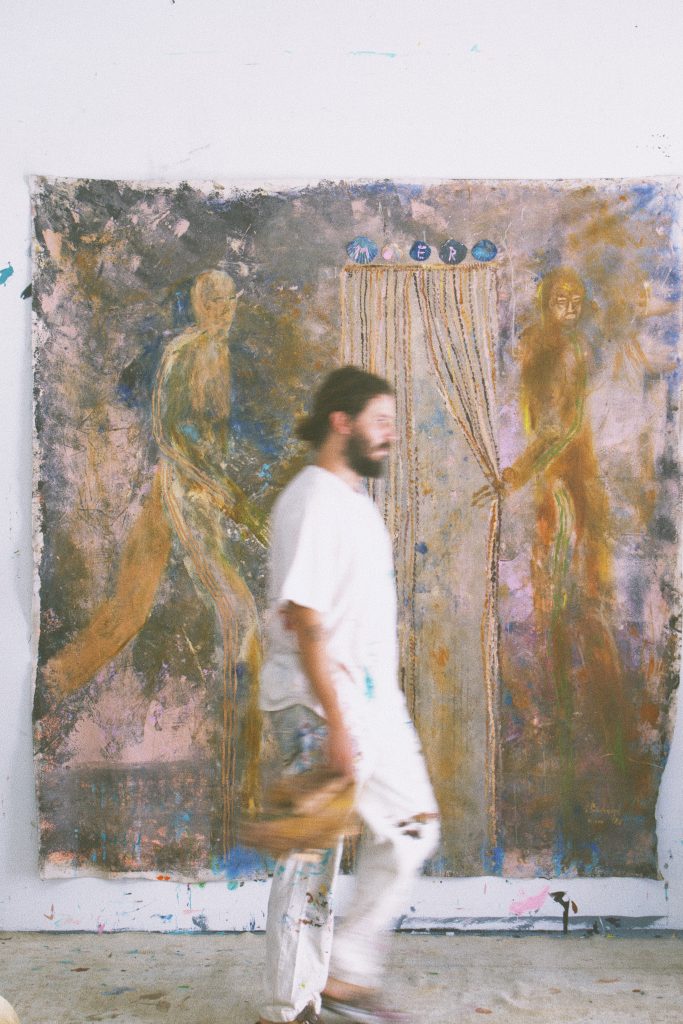
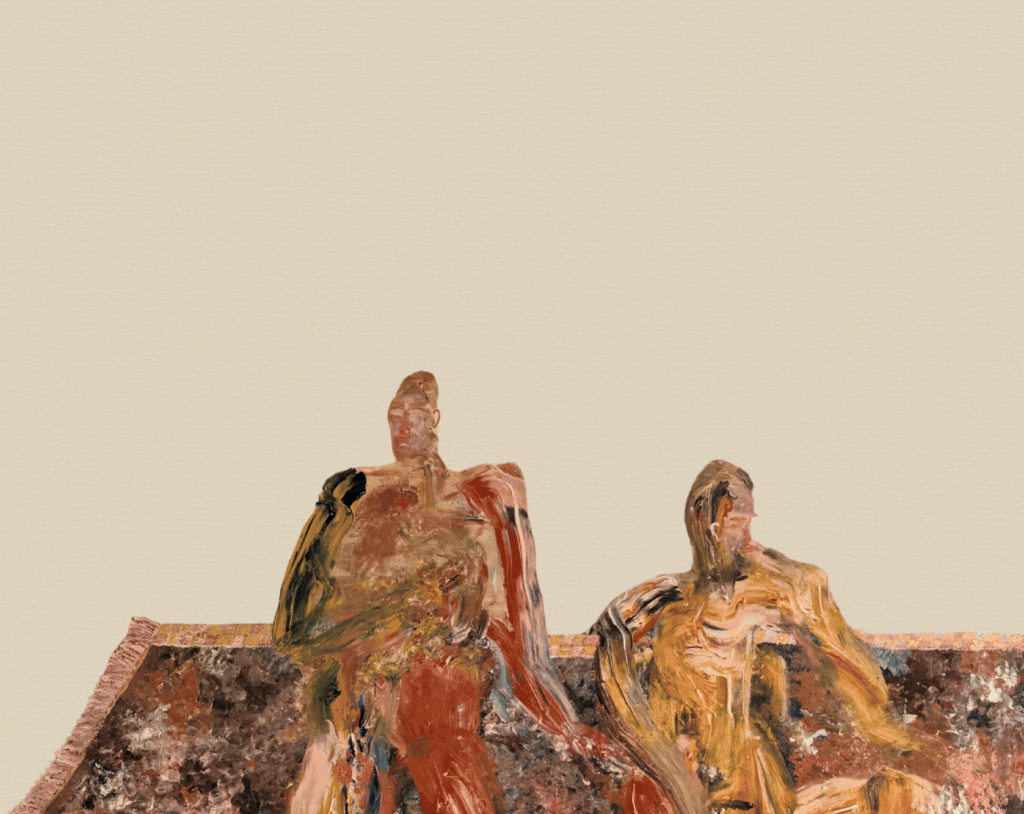
He paints without rules. Often the background comes first: a wall, a colour, a patch of sunlight or a dreamy texture. From there, figures emerge, undefined, moving, anonymous. He likes to see them as strangers, he says. It keeps a sense of mystery.

Many of his paintings are made entirely by hand, broad gestures leaving traces of movement in every stroke. 


“The organic gestures of hand painting create a direct connection between myself and the canvas, he explains. It allows richer emotions to come through.”


Studio Frequency

Sound shapes the atmosphere in the studio. Classical or instrumental music, French chansons for a bit of nostalgia and tropical vibes with Eden Ehbez, become part of the painting’s rhythm. Stanislas lets the work grow around him rather than forcing it. Before delving fully into a painting he listens to podcasts, a warm-up for the mind, a way to spark the creative flow. Choosing the sound of the room is deliberate; the right soundtrack can shape the outcome of a painting, for better or worse.
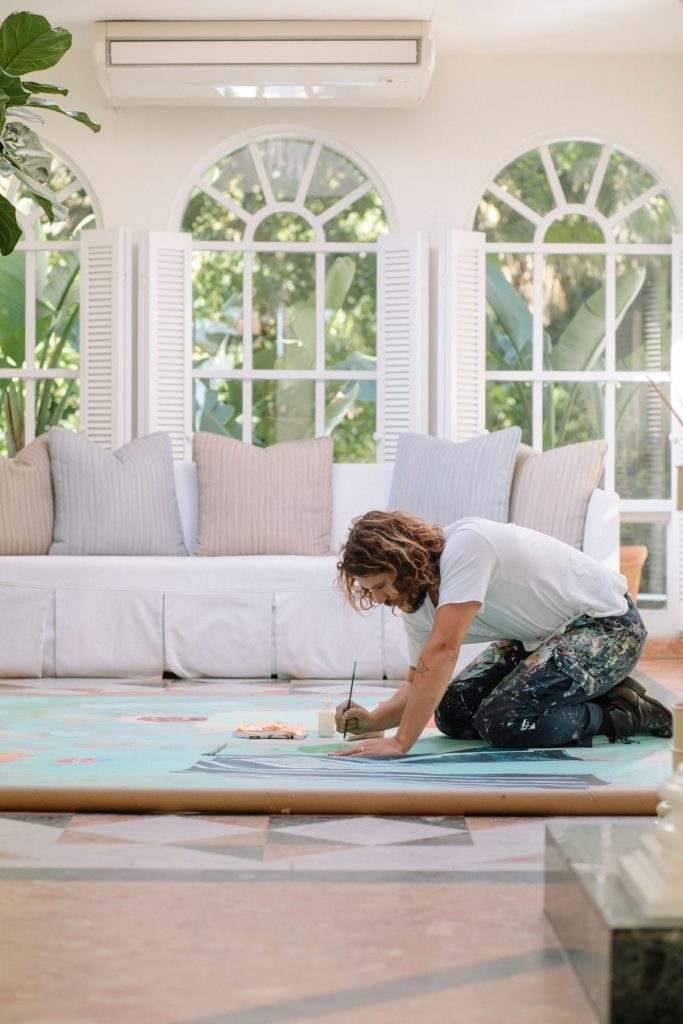
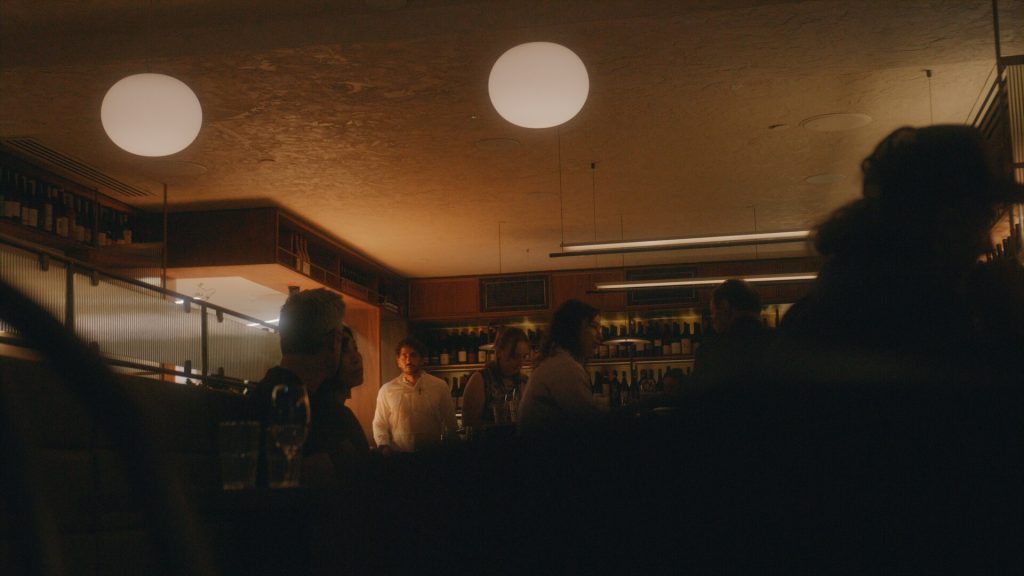
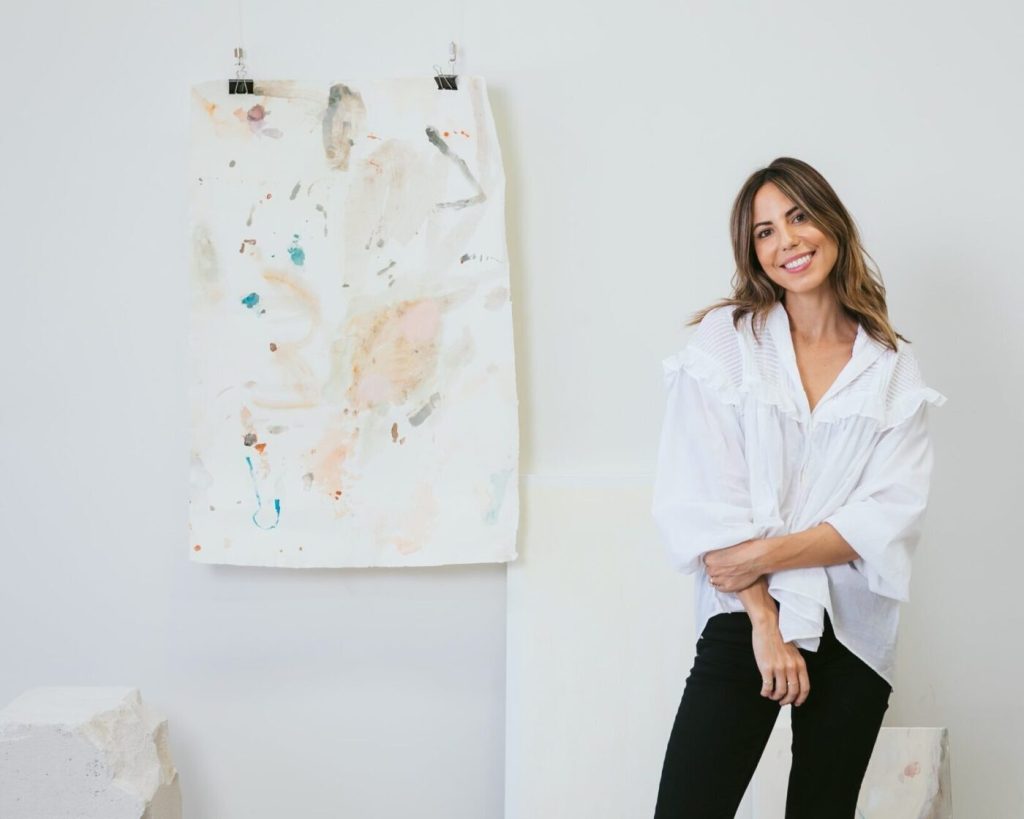
The first resident artist at Raes Wategos
Photography by Madeline Johnson

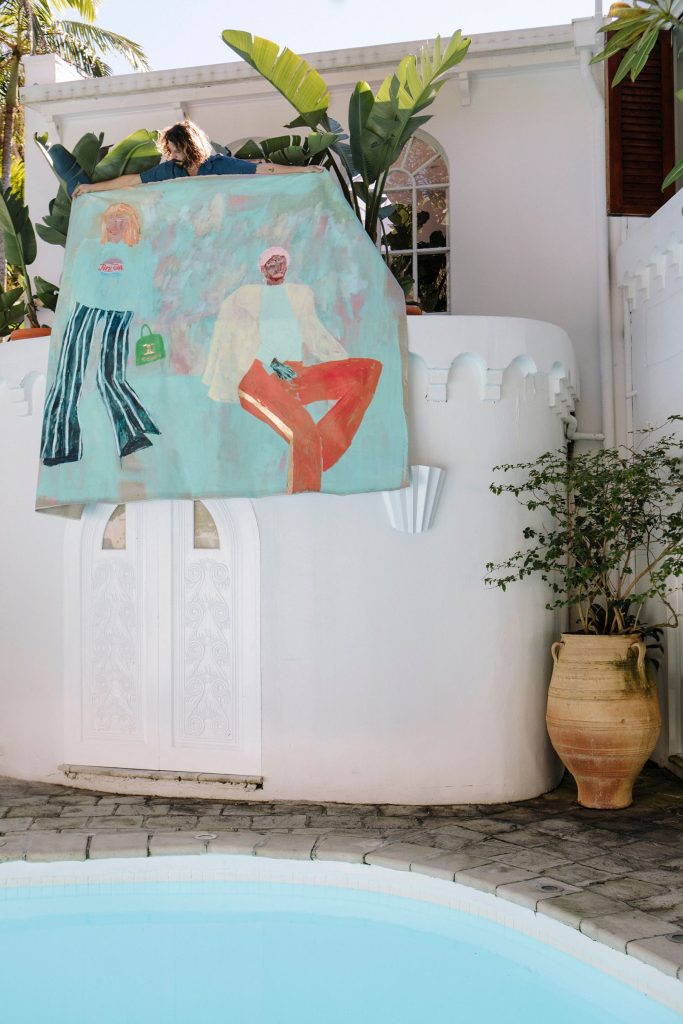
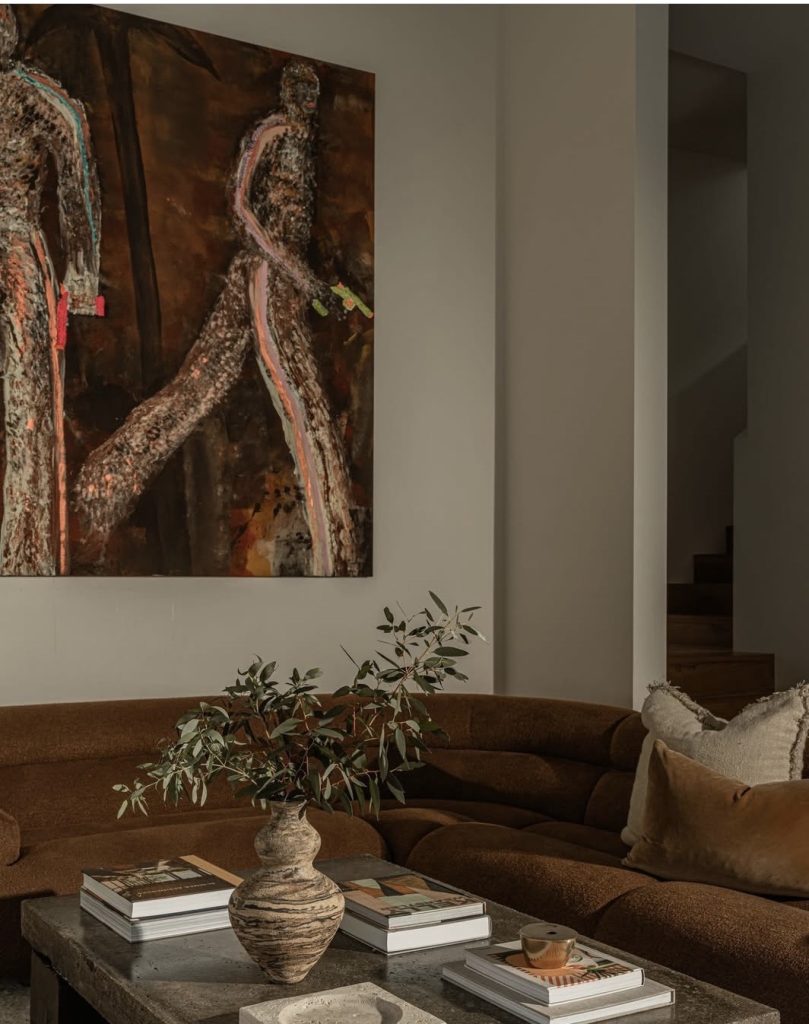
"A common element in my paintings is that the figures are either human scale or larger, which I hope immediately creates a connection between the subject and the viewer"

Meet The Characters 

Movement is central. Figures drift, pass through, inhabit the space without revealing themselves fully. Even when a character hints at someone he knows, he detaches them from identity, creating tension and narrative without explanation.

They don’t have skin colour or gender, he says. They are simply whoever you want them to be, or even no-one, sometimes just the result of a mood or feeling.

He is not actively searching for inspiration, nor does he look for specific things, Stanislas explains: “It is difficult to pinpoint exactly what I notice. I think I absorb these details subconsciously and they surface later while I am painting. I am not actively searching for specific things. Often the details that end up having the biggest impact in a painting are not the obvious ones at first glance.”
“Ideally the viewer would experience the world of the painting the way I see it. Familiar yet foreign.
Sandy, warm, and a little mysterious.”

A New Stage In Mexico 

In 2026 Stanislas will present new paintings at Galería Casa Colón in Mexico. His fleeting strangers will meet a new audience, carrying the same quiet intimacy and energy that defines all his work. Mexico marks a significant step, but bold moves are nothing new. He was the first resident artist at Raes in Byron Bay and continues to exhibit in some of Australia’s finest galleries such as: TW FINE ART, Studio Gallery Group and more. Interior designers such as Sarah Ellison and Studio Collective are also drawn to his work, often showcasing it in residential and commercial spaces where mood, light and narrative intersect.

Ultimately, Stanislas’s canvases are less about what we see and more of what we choose to imagine. His figures are strangers, friends, moods or memories, sometimes all at once, and in that ambiguity they become ours to define. Every gesture, every patch of light, every shadow is an invitation: to wander, to invent, to inhabit a space where characters are shaped by the viewer as much as by the artist. In stepping into his paintings, we do not just observe life, we participate in it, creating stories, filling in silences and discovering meaning in what is deliberately left undefined.

Like what you read?

Share this article with your followers.

Sign up to the newsletter

Be the first to know